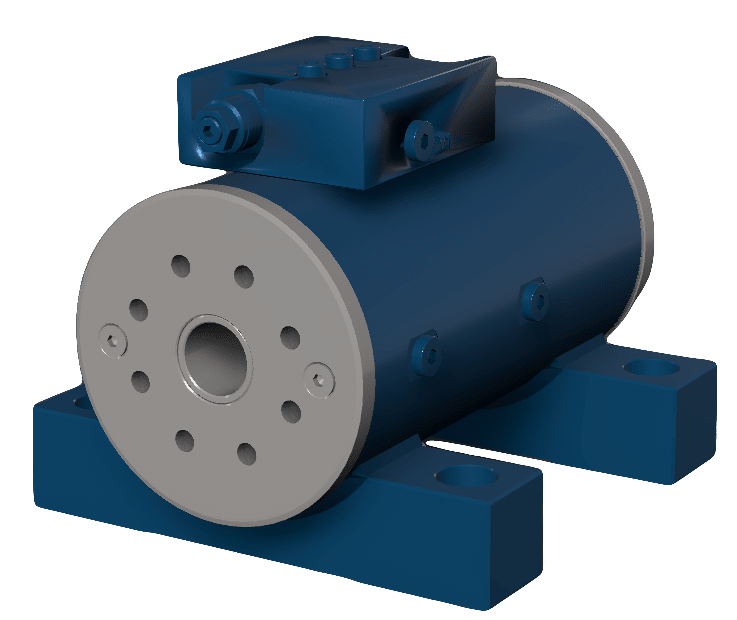
Rotary Actuators – Counterbalance Valve Block
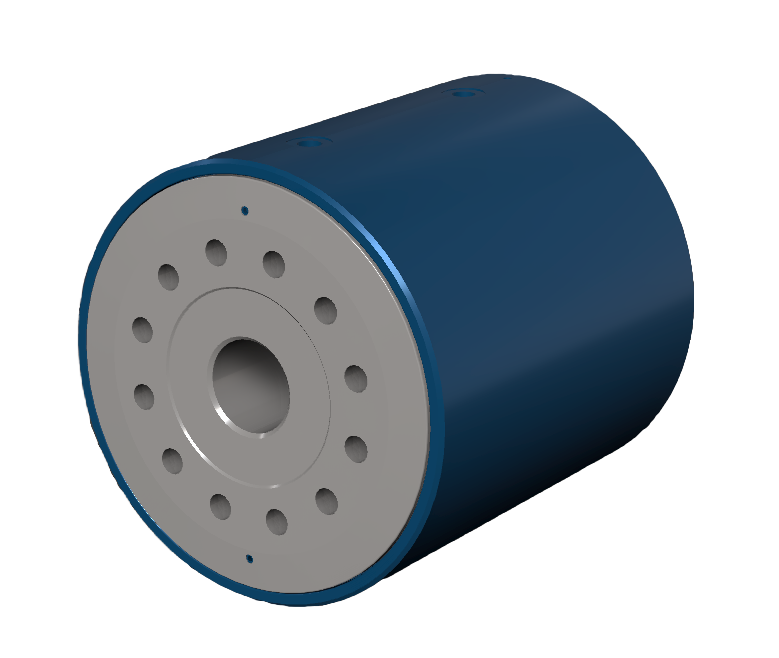
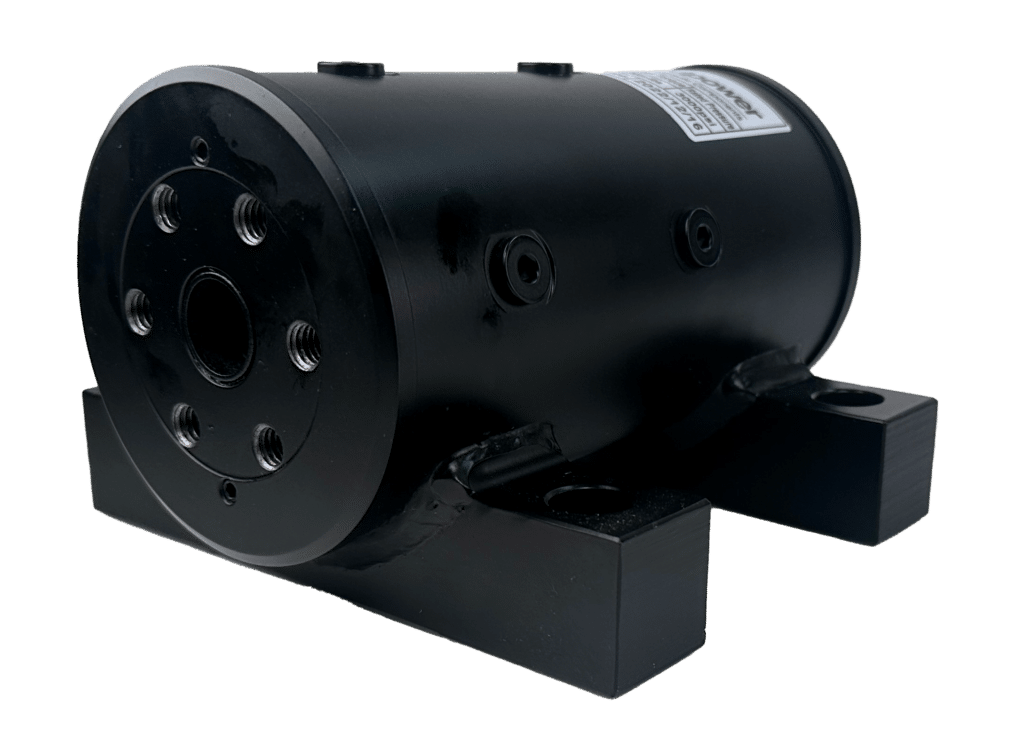
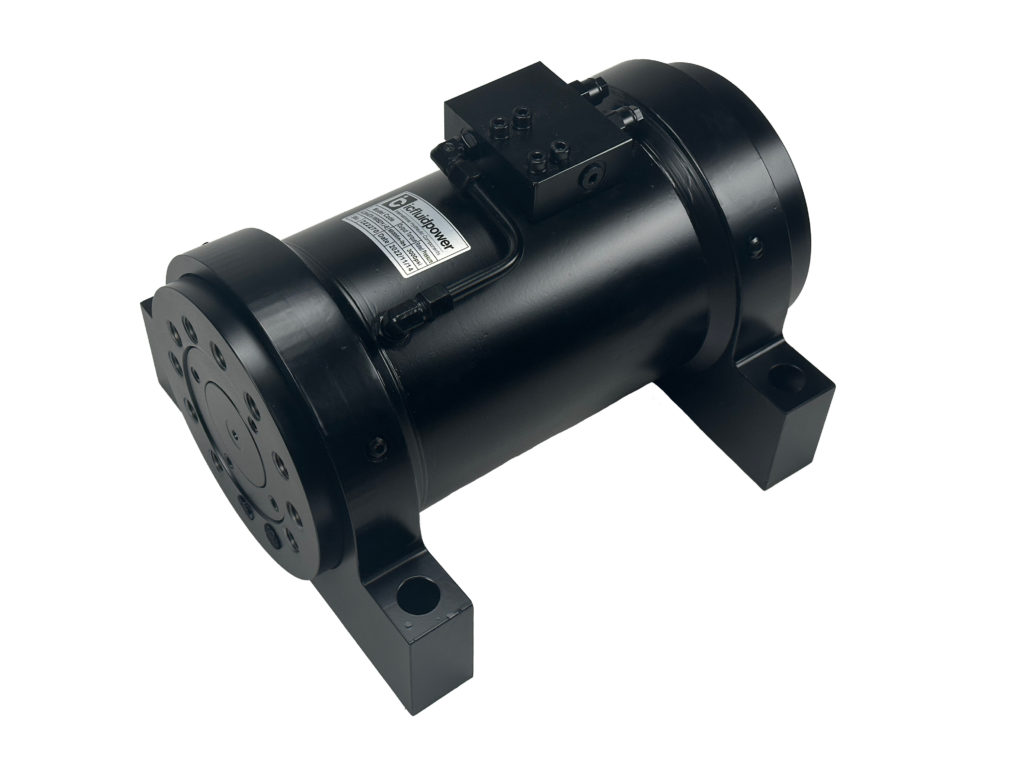
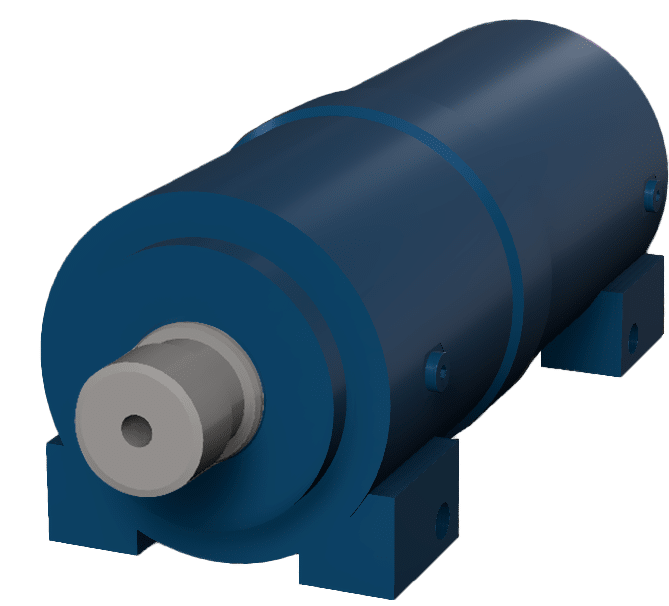
The IC Series counterbalance valve block is an optional load-holding valve assembly that bolts directly to IC Series hydraulic rotary actuators to provide load stability, prevent unintended motion, and protect against overpressure. By creating back pressure in the hydraulic line, it holds suspended loads in place during hydraulic failure or external force, making it a critical safety component for applications like aerial work platforms and man lifts. Three models are available: the 21260A (aluminum, 3,300 psi relief), the 21270 (steel, 3,300 psi relief), and the 21280 (steel, 3,625 psi relief). All three use a 3:1 pilot ratio. Valve blocks can be ordered with the actuator or added later.

21260A Counterbalance Valve Block
Valve blocks are configured from aluminum and secured to a flat mounting pad on the actuator housing with three bolts. See each individual series page for specific valve locations. The pilot ratio is 3:1. The valves are set to relieve at 3,300 psi (228 bar).
21270 Counterbalance Valve Block
Valve blocks are configured from steel and secured to a flat mounting pad on the actuator housing with three bolts. See each individual series page for specific valve locations. The pilot ratio is 3:1. The valves are set to relieve at 3,300 psi (228 bar).
21280 Counterbalance Valve Block
Valve blocks are configured from steel and secured to a flat mounting pad on the actuator housing. Valve locations and plumbing routing differ among sizes. See each individual series page for specific valve locations. The pilot ratio is 3:1. The valves are set to relieve at 3,625 psi (250 bar).
Hydraulic rotary actuators are vital components in various industrial applications, often requiring precise control over heavy loads. To enhance the functionality and safety of these actuators, they can be accessorized with a counterbalance, or load-holding, valve. This option ensures the stability of the load by preventing unintended movement, especially in case of a hydraulic hose failure. By creating back pressure within the hydraulic line, these valves play a crucial role in controlling the load, thus averting any accidental movements of the actuator.
Often, the counterbalance valve is used as a safety device when the safety of humans is involved by protecting the actuator and thereby the person in case of a downstream hydraulic failure or by an upstream external force. Take, for example, a man lift where a person is in a basket. If there is hydraulic failure somewhere before the basket, the basket will stay in its place. If there is a force excerpted on the same basket if the operator hits an object while moving, the basket will rotate to protect its occupant.
Furthermore, due to the small oil volume (displacement) of the rotary actuator, temperature swings between night and day can cause substantial movement to whatever is mounted to the actuator if the actuator is not actuated. So, the counterbalance valve protects the actuator from overpressure applied to the actuator, or failure of a downstream component.
On some models, counterbalance valves can also be added to the system post purchase. This option provides a practical solution for those who may need to upgrade their existing system’s capabilities. Whether incorporated during the design stage or added later, these components can enhance the control, stability, and safety of hydraulic actuators across a wide range of industrial applications.
IC-Fluid Power, Inc. supports many applications including mobile, marine & offshore, mining, packaging, plastic & injection molding, construction, agriculture, energy, and more.