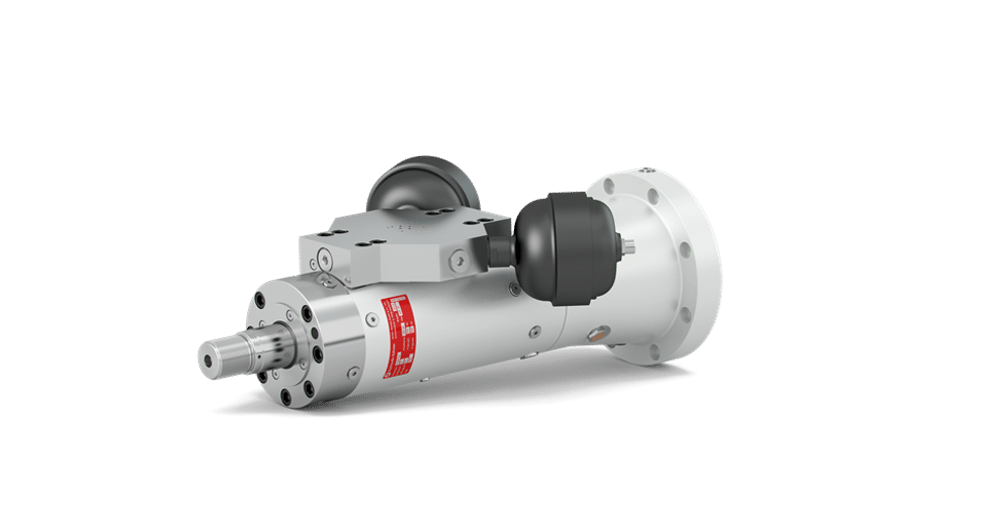
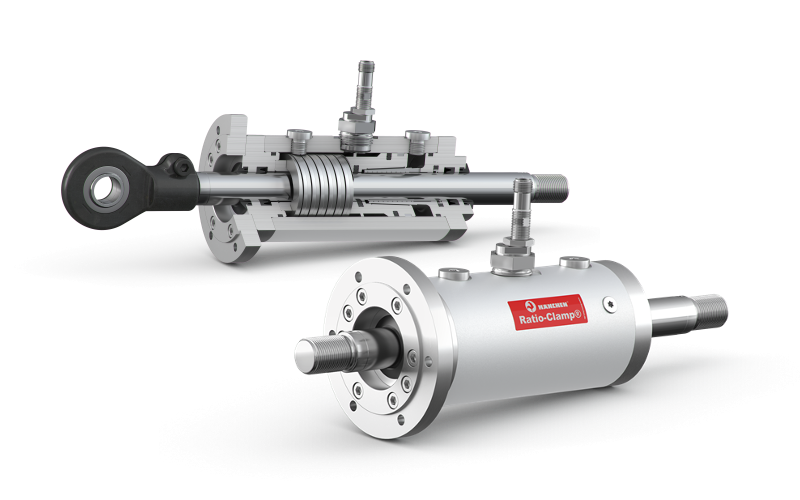
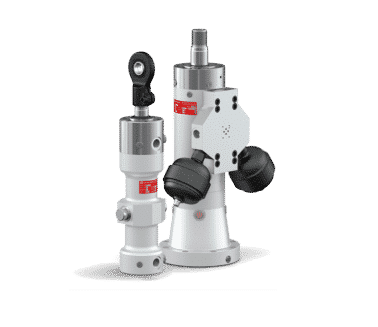
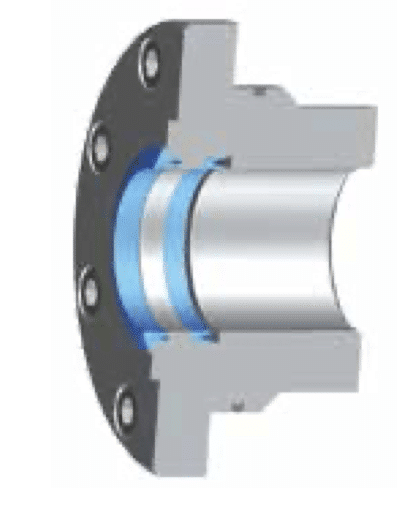
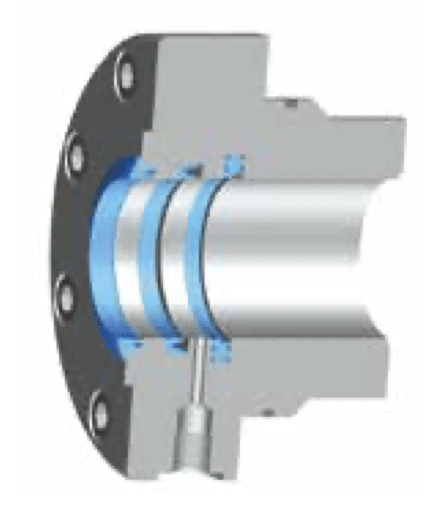
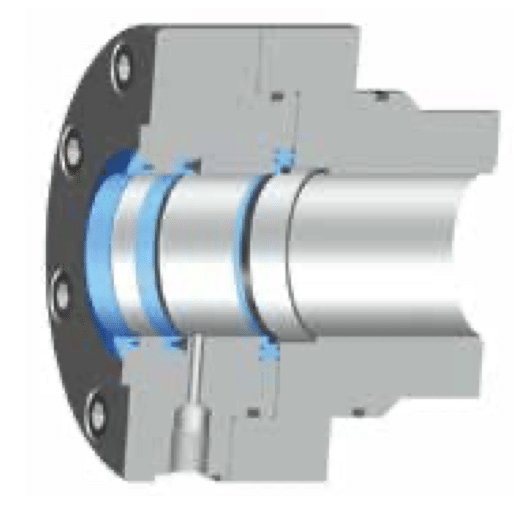
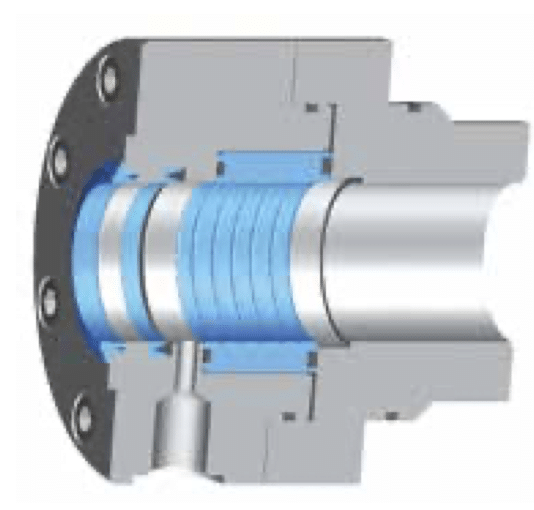
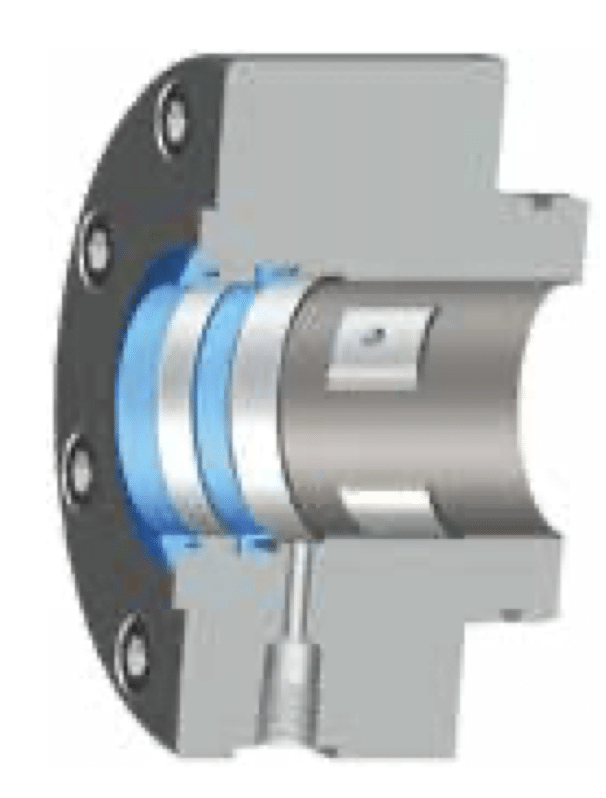
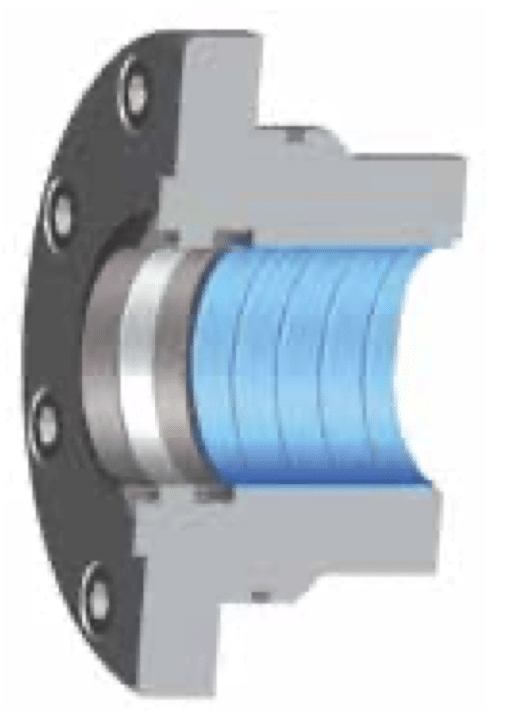
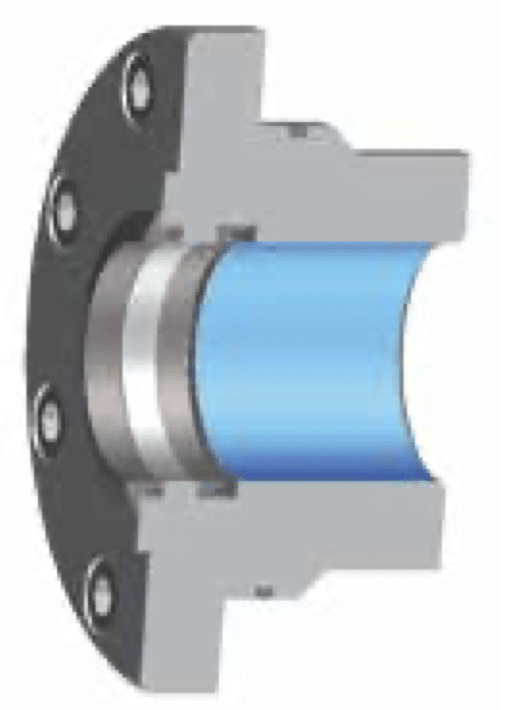
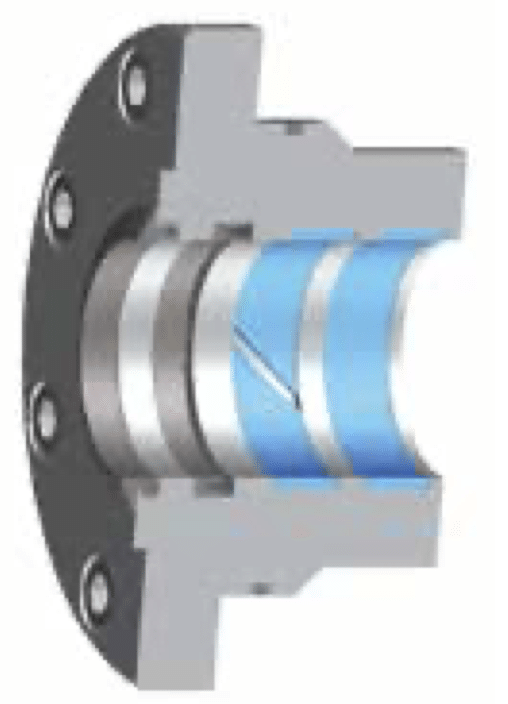
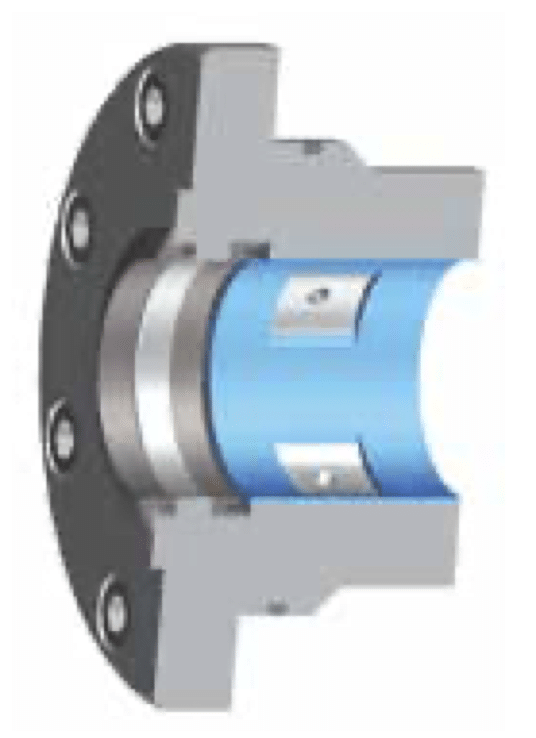
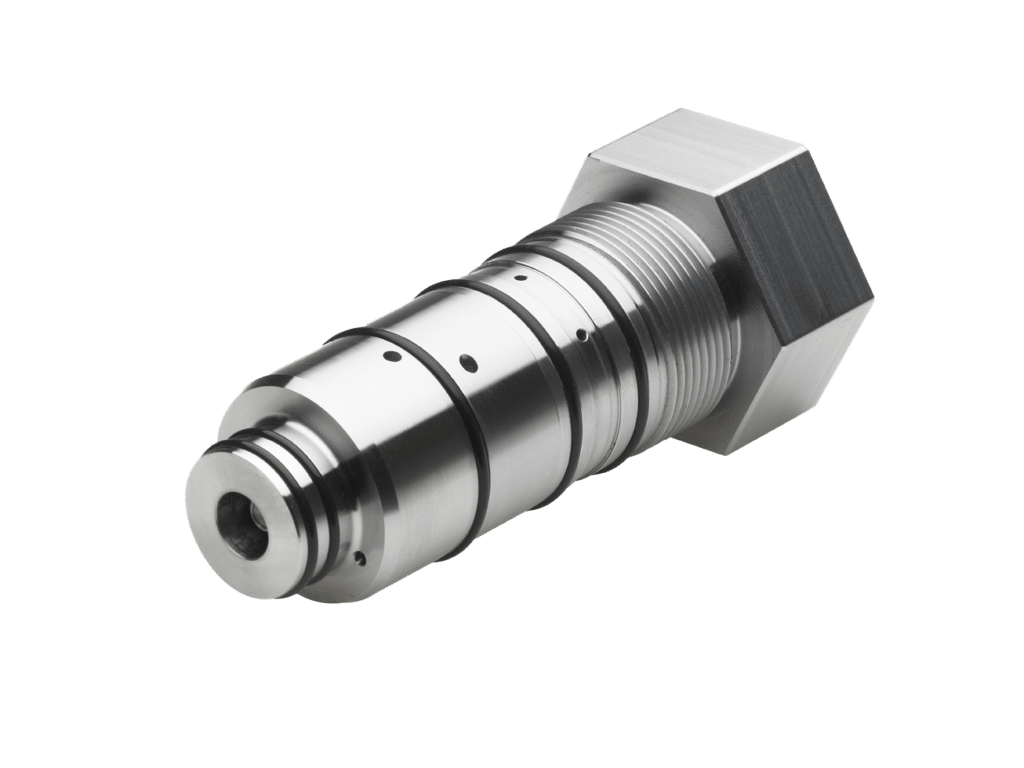
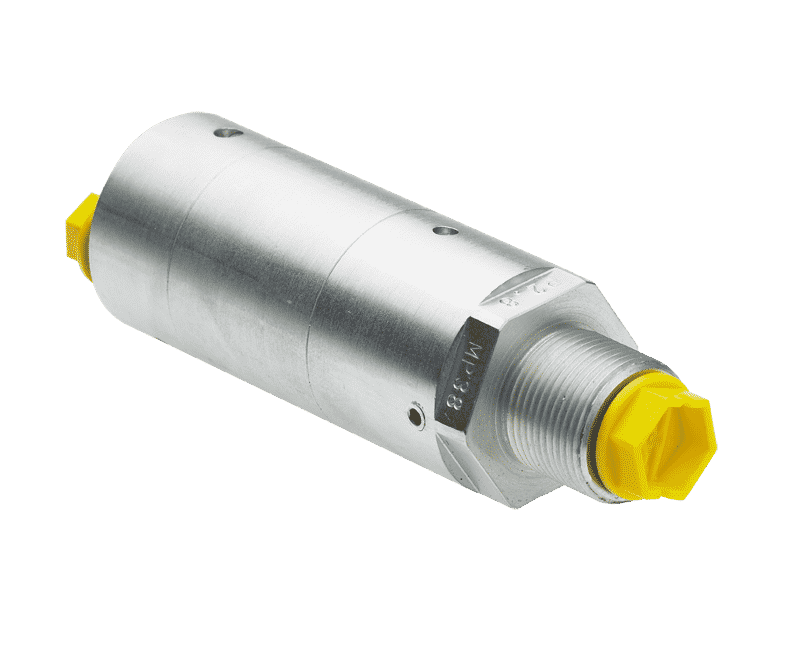
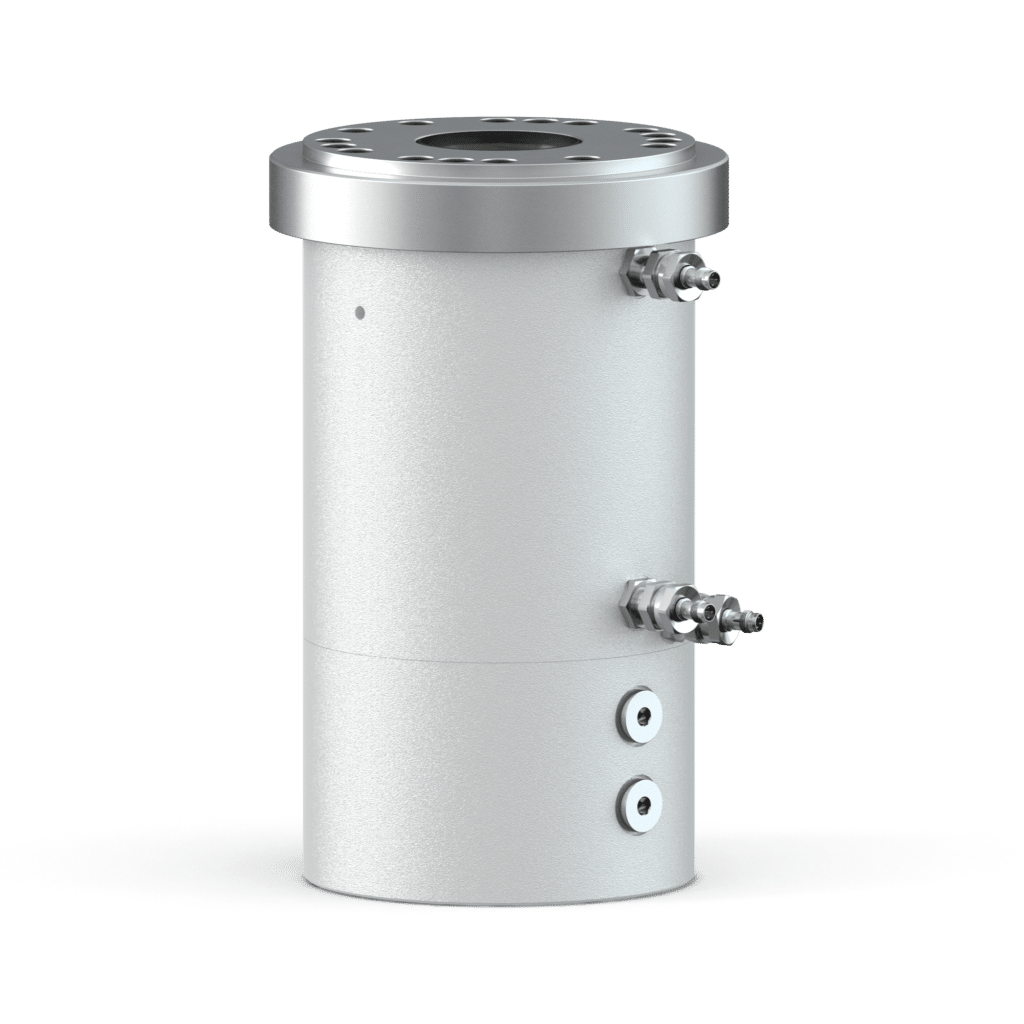
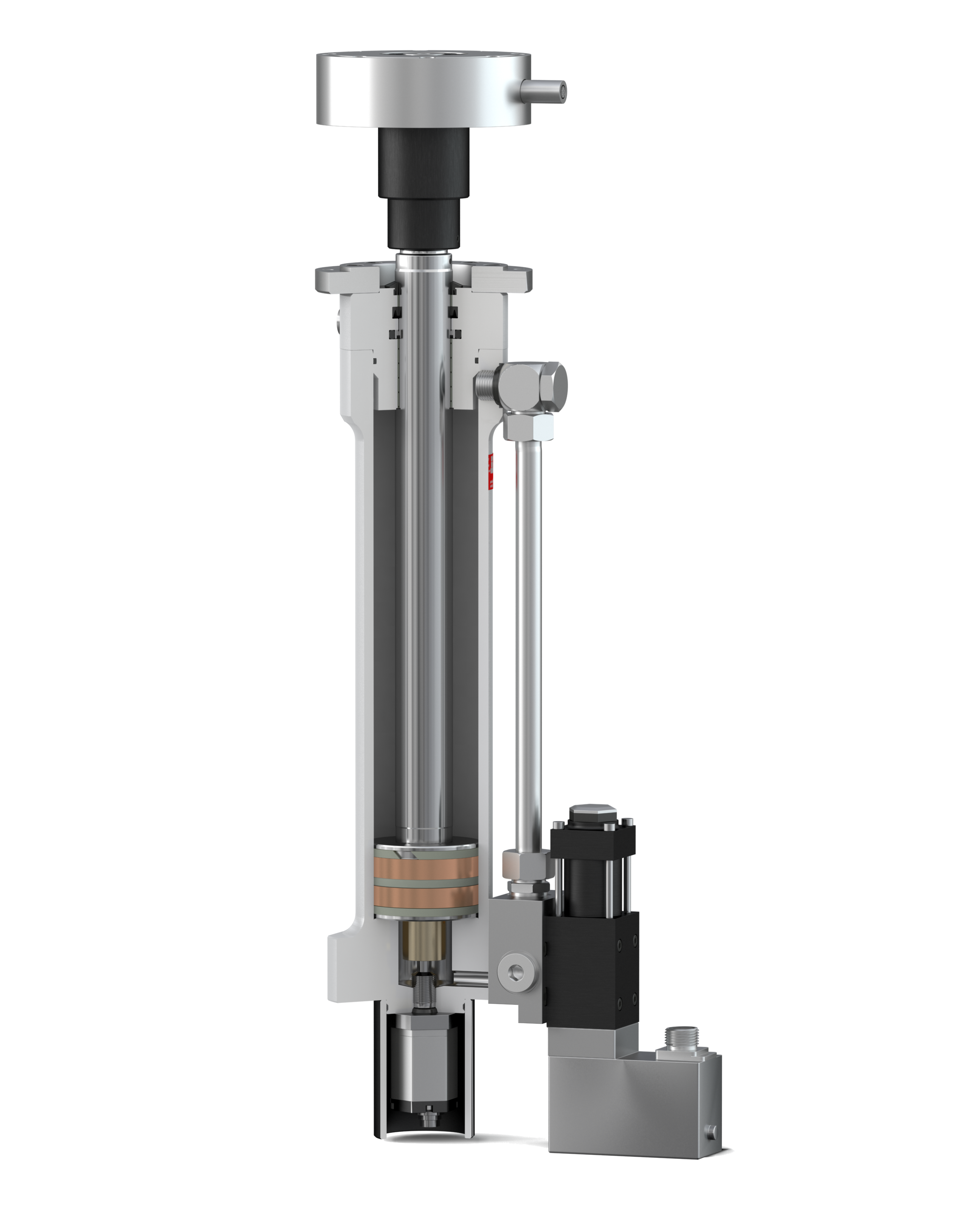
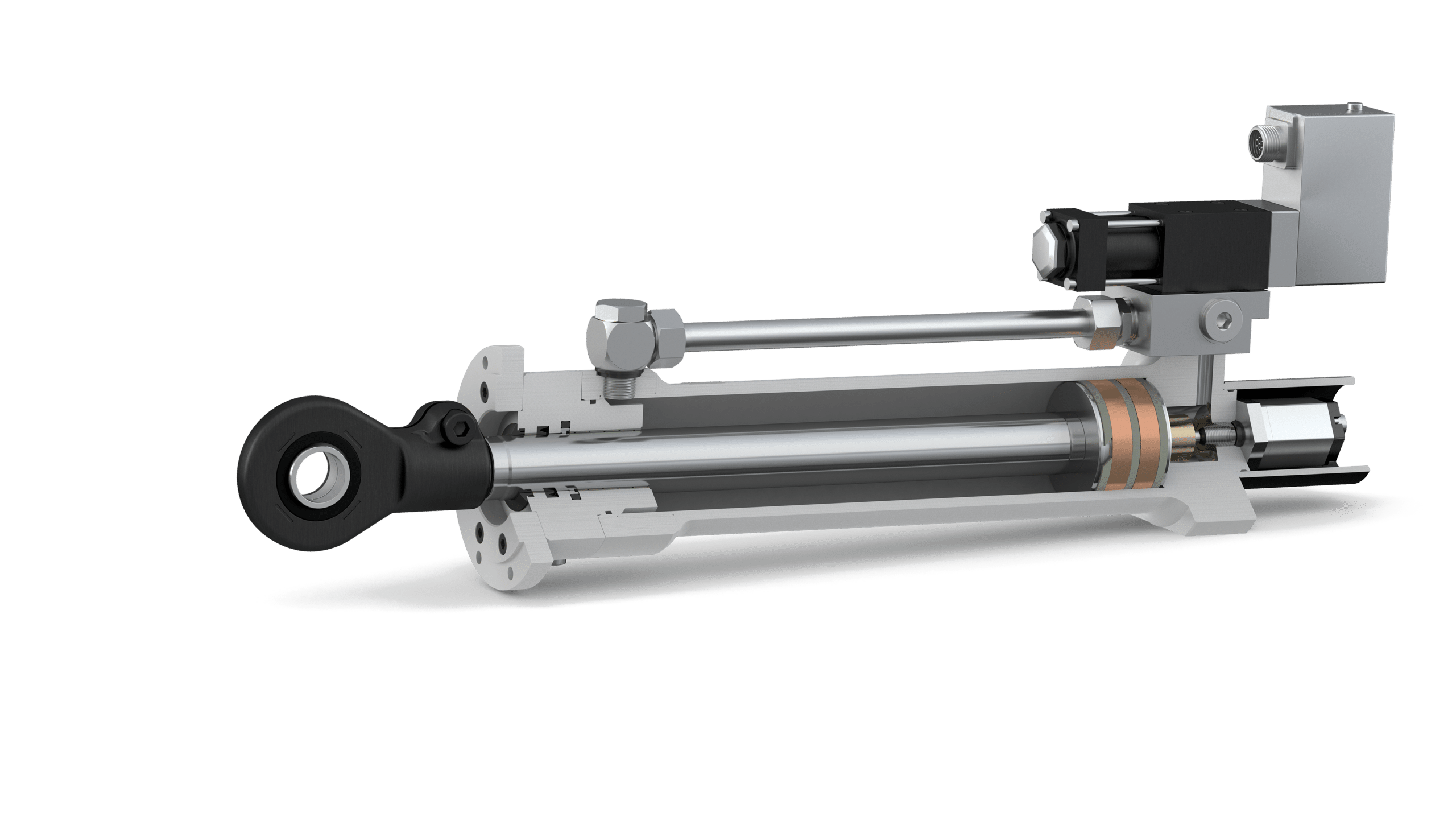
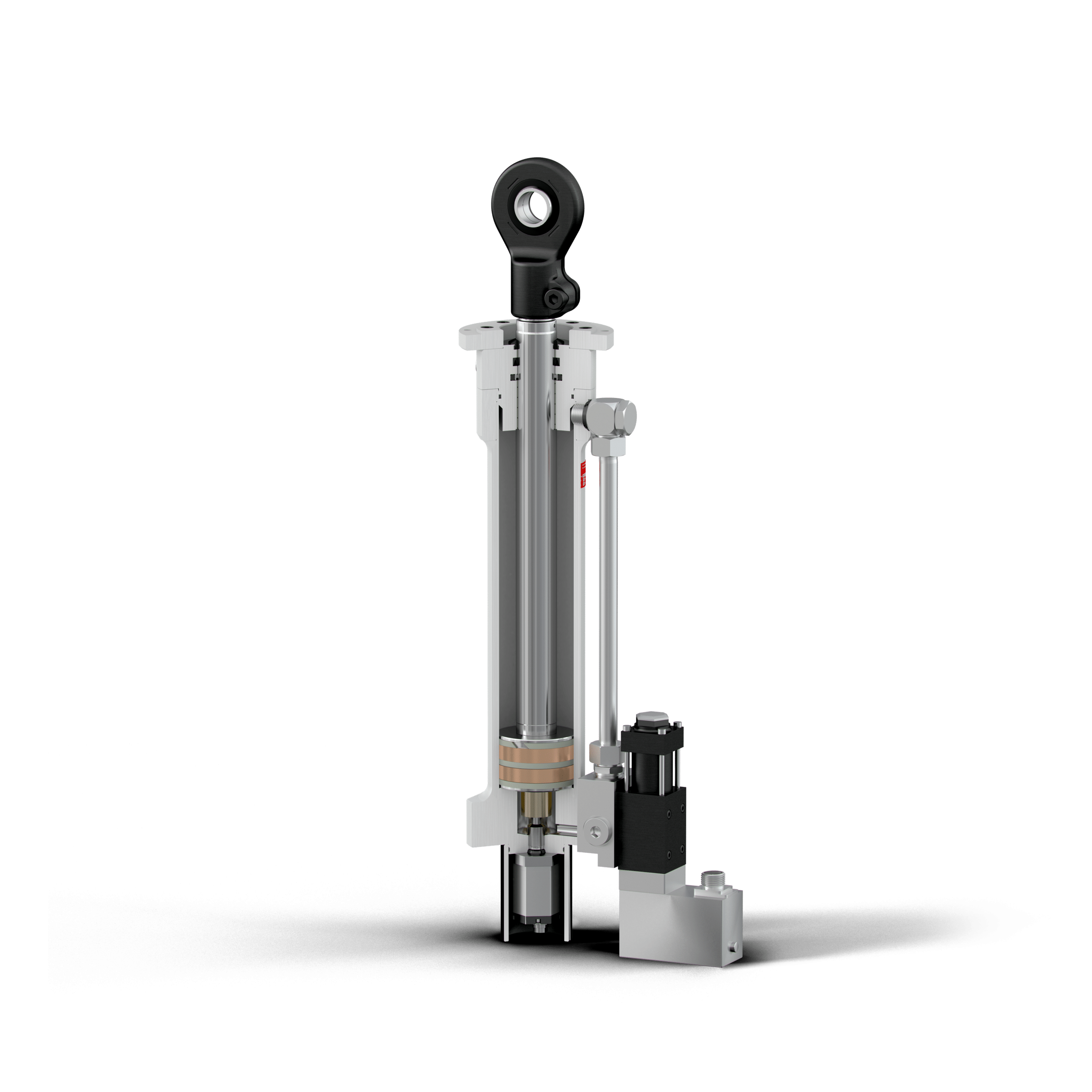
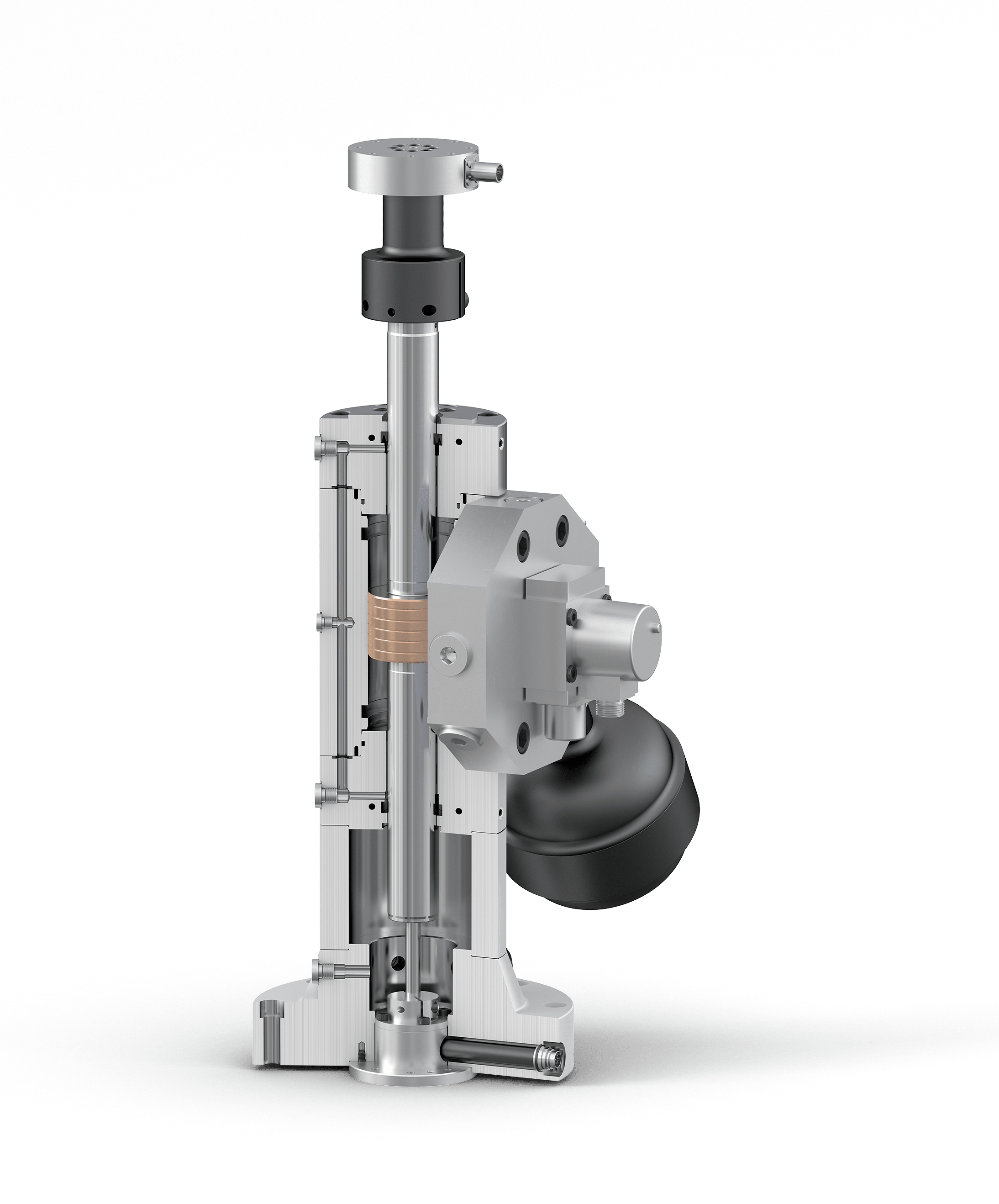
The safety catcher and the ratio-clamp are both clamping units. One main difference is the fact that the safety catcher only holds vertical loads, while the Ratio-Clamp can hold vertical and horizontal load. This is because the safety catcher utilizes a self-energizing principle. Unlike the Ratio-Clamp, the safety catcher does experience a small amount of downward movement to generate the holding force, rather than clamping in the exact position. If you’re not sure which device is better for your system, contact an engineer for more information.
No. The safety catcher prevents falling on vertical, gravity-loaded axles when the power fails or the machine malfunctions. It is used as a safety device so that the load does not harm people, the equipment, or the environment. Because it uses a self-energizing principle to generate the holding force, it does not require power to work.
The safety catcher is certified through the DGUV Test, confirming that the clamping unit is tested as a safety-related component according to European standards such as EN ISO 16092-1/-3 for presses. It simplifies the risk assessment of the overall machine, as the protective function is officially proven. The holding load of the safety catcher for machines has a safety factor of at least 2 but does not exceed a safety factor of 2.8.
The Hänchen Safety Catcher is used for clamping round rods in vertical, gravity-loaded axles. It ensures reliable safety mechanisms for stepless securing of loads at a standstill, as a safety component in case of emergency, or for effective fall protection.
The safety catcher mechanically locks based on a self-energizing principle and supports both compressive and tensile loads. Unlocking is achieved via hydraulic or pneumatic pressure.
Advantages of hydraulic rod locks
Fixes round rods of all types, in any position
Securely clamps in the event of an occasional accident
Clamping force without energy supply for an unlimited time
Fixes axles in the event of power failure, drive or control errors
IoT 4.0 compatible: can be equipped with 4 independent sensors
The holding load of the safety catcher for machines has a safety factor of at least 2, but does not exceed a safety factor of 2.8. It is certified through the DGUV Test, which confirms that the clamping unit is tested as a safety-related component according to European standards such as EN ISO 16092-1/-3 for presses. It simplifies the risk assessment of the overall machine, as the protective function is officially proven.
Various mounting flanges and sensor technology components are available as accessories. A functional rod with freely configurable piston rod ends can also be configured in Hänchen’s HäKo online product configurator.
Safety Catcher General Specifications
Rod Ø (in) | [mm]
Permissibile Load (lbf) | [kN]
Installation Length (1) (in) | [mm]
Installation Length (2) (in) | [mm]
Installation Diameter (in) | [mm]
0.98 [25]
2248 [10]
5.98 [152]
6.10 [155]
2.80 [71]
1.10 [28]
3372 [15]
6.65 [169]
3.23 [82]
1.57 [40]
7419 [33]
8.31 [211]
8.43 [214]
4.17 [106]
1.97 [50]
11690 [52]
10.39 [264]
4.92 [125]
2.20 [56]
15062 [67]
10.81 [262]
10.43 [265]
5.51 [140]
2.48 [63]
22481 [100]
11.22 [285]
11.42 [290]
6.30 [160]
2.76 [70]
24055 [107]
11.89 [302]
6.77 [172]
3.15 [80]
29900 [133]
12.68 [322]
12.80 [325]
7.64 [194]
(1) Compressive load without centering collar (2) Tensile load with centering collar
Hydraulic Safety Catcher Applications
Presses & punching machines: Prevents falling or sinking of heavy press loads, protecting the tooling as well as anyone who is operating the press
Machine tools: Secures heavy vertical axes and spindles against falling or sinking in the event of a failure
Robotics & portals: Holds tools and secures load in the event of drive failure
Intralogisitcs & lifts: Ensures safety for people and good when lifting systems fail
IC-Fluid Power supplies Hänchen safety catchers for hydraulic cylinders and press applications across construction, mechanical, technological, and industrial uses.
For over 100 years, Hänchen has supported the test and simulation industry with actuators built for precision and durability. Our servo cylinders cover one of the widest ranges on the market.
For over 100 years, Hänchen has supported the test and simulation industry with actuators built for precision and durability. Our servo cylinders cover one of the widest ranges on the market. Choose from lightweight models for simple tests (Series 120/300) to hydrostatic models for demanding, high-frequency applications (Series 320). With patented sealing technologies found nowhere else in the market and highly-honed surface finishes, Hänchen cylinders last for decades in service.
Test cylinders are used extensively in the testing sector and can be used for checking the functional safety of systems, component parts or products, for structural testing of airplanes, refrigeration compressors, automobile exhaust systems, or for simulating loads and movements, such as operational profiles and flight profiles.
Product Benefits
Patented sealing and guides optimized to your friction and stick-slip tolerance
Machined from a solid block of steel, creating a rigid cylinder construction with bores adjustable to the millimeter
Honed, crosshatch finishes designed for smooth acceleration and lasting performance
No leakage pump is required as pressure is regulated through venting and leakage ports, reducing energy use and lowering operating costs
Welded roundhead distributes stress evenly across the cylinder body compared to a traditional tie-rod design
Hydrostatic bearings offered for all sizes, starting at an inch diameter
Designed for higher pressure up to 4,640 psi (320 bar), allowing standard components to be used without upsizing your equipment
Tell us about your application, and we will help you find the perfect seal. Any solution is possible for your application. We make patented and standard seals for low friction, side loading, high pressures, rotation, fast/slow movement, stroke amplitude, and medium compatibility.
In the following chart, the first row of images and titles denote sealing systems, while the first column on the left denotes guiding systems.
Basic Design Lip seal, wiper ring
Servocop® Compact seal, lip seal, wiper ring
Servoseal® Servoseal®, lip seal, wiper ring
Servofloat® Floating gap seal, functional oil seal, wiper ring
Functional oil seal Functional oil seal, wiper ring
Servoslide® Synthetic guide
– Simple movements – Long-stroke oscillations – Side loads due to lateral movement – Low stick-slip – v ≤ 0.5 m/s
– Controlled movements – Long-stroke oscillations – Side loads due to lateral movement – Mostly stick-slip-free – v ≤ 2 m/s
– Sensitive movements – Long- and short-stroke oscillations – Side loads due to lateral movement – Low-wear – v ≤ 2 m/s
– Sensitive movements – Long- and short-stroke oscillations – Side loads due to lateral movement – Low-wear – v ≤ 2 m/s
Metallic guide
– Simple movements – High temperatures – Universal application – Low stick-slip – v ≤ 0.5 m/s
– Simple movements – High temperatures – Mostly stick-slip-free – v ≤ 1 m/s
– Simple movements – Temperatures up to 80ºC – Low-wear – v ≤ 1 m/s
– Simple movements – High temperatures – Low-wear – v ≤ 1 m/s
PTFE Wear rings
– Controlled movements – Long-stroke oscillations – Side loads due to lateral movement – Long cylinder stroke – Mostly stick-slip-free – v ≤ 3 m/s
– Sensitive movements – Long- and short-stroke oscillations – External side loads due to lateral movement – Low-wear – v ≤ 3 m/s
– Sensitive movements – Long- and short-stroke oscillations – External side loads due to lateral movement – Low-wear – v ≤ 4 m/s
Servobear® Hydrostatic bearing
– Sensitive movements – Short-stroke oscillations, highly dynamic – Highest side loads – No leak oil pump required – v ≤ 4 m/s
Hydraulic Test Cylinders are used in a wide variety of applications including automotive testing such as lifecycle tests, aerospace system tests such as load and environmental condition simulation, and fluid power operating condition simulation.
Automotive
Servo hydraulic lifecycle tests are the current industry standard for automobile components that are used far beyond safety-related structural elements. Users can depend on hydraulic test actuators for high positioning accuracy and reliability in applications for test systems and real time control. A test cylinder with a dynamic lift of up to 35 mm (1.3 in.), speed of 1.3 m/s (51.2 in/s), and acceleration of up to 50 m/s (1968.5 in/s) could be used for a test load requiring up to 28 kN (6,294 lbf) and a frequency up to 20 Hz.
Aerospace
System tests that simulate loads and environmental conditions in different flight phases are particularly demanding. To test the landing flaps and slats, servo hydraulic cylinders could be used here to replicate the airflow that involves rapidly changing forces with irregular parameters. For example, a servo cylinder with a bore between 40 to 160 mm (1.5 to 6.2 in.) could be used for a test stand with a holding force between 140 – 300 kN (31.4 to 67.4 lbf) and a stroke requirement of 300 to 1,670 mm (11.8 to 65.7 in.).
Fluid Power
To determine the characteristic values of a seal, seal test benches are suitable for simulating a wide range of operating conditions. Double rod cylinders could be used here for fatigue tests focused on examining the frictional force of the seals, tightness on rods and shafts.
Hänchen offers 5 cylinder cover sealing systems and 4 guide options to provide very low friction and minimize stick-slip for all those that need it.
On the market today, there are two standard sealing options for the cylinder cover: a basic design with a lip seal and wiper ring or hydrostatic functional oil seals. To address in-between friction and stick-slip needs, Hänchen offers these, plus additional sealing options.
Sealing pressure and temperature
We offer sealing options handling pressures up to 29,000 psi (2,000 bar) and temperatures from -40 °F to 392 °F (-40 °C to 200 °C).
Sealing systems
Sealing system in cover
Basic Design
Servocop®
Servoseal®
Servofloat®
Functional oil seal
Application
For simple, long stroke movements with minimal lateral loads
For low sensitive, stick-slip free movements
A step above Servocop®, very low friction, virtually no leakage
Extremely low friction
For pressure-less functional oil sealing with hydrostatic bearings
Sealing combo
Lip seal, wiper ring
Lip seal, wiper ring, compact seal
Servoseal®, functional oil seal, wiper ring
Floating gap seal, functional oil seal, wiper ring
Functional oil seal, wiper ring
Temperature range
-22 to 392°F (-30 to 200 °C)
-22 to 392°F (-30 to 200 °C)
-22 to 176°F (-30 to 80 °C)
-22 to 212°F (-30 to 100°C)
-22 to 212°F (-30 to 100°C)
Speed
0.5 m/s
3 m/s
3 m/s
4 m/s
4 m/s
Guide options
In addition to sealing options, the guide system is equally important for reducing friction and wear. Hänchen offers:
Sealing system in cover
Servoslide® synthetic guide
Metallic guide
PTFE wear rings
Servobear® hydrostatic bearing
Application
For movements with moderate side loads
For simple, long-stroke movements or high temperatures
For movements with high side loads
For friction-free movement with very high side loads
Sealing combo
Lip seal, wiper ring
Lip seal, wiper ring, compact seal
Servoseal®, functional oil seal, wiper ring
Floating gap seal, functional oil seal, wiper ring
The maximum frequency we can achieve is up to 1,000 Hz. While it is theoretically possible to design our cylinders for any frequency, the main limitation is the valve control technology. Our cylinders are capable of higher frequencies than most valves on the market can support. This means the maximum frequency you can achieve is limited only by the valve’s capability, not the cylinder itself.
The recommended operating temperature range depends on the lowest and highest temperature limit of selected seals and materials.
Engineers must consider the material’s permissible tensile strength and seal temperature limits at low temperatures. In this case, special attention should be given to the notched impact strength, which decreases as the temperature drops and affects the material’s resistance to sudden loads.
Materials with specific properties must be used to ensure reliable toughness values even at low temperatures, for example at –22 °F (–30 °C) or –40 °F (–40 °C).
In the area of the sealing elements, care must be taken to select the proper material. For instance, different NBR mixtures have different temperature properties and therefore the temperature limit is not necessarily defined by the simple material name, for example, NBR.
Seals for temperatures down to 5° F (-15 °C) are permitted as standard. Special seals can be used for low temperatures.
14-18 weeks lead time, including manufacturing and shipping.
Specialty cylinders are manufactured in 7-16 weeks in Germany and then shipped by air-freight (2-week shipping).
It can be difficult to put a number on the lifetime of a Hänchen cylinder. This is because it’s very application dependent. A cylinder in a concrete crushing application that is exposed to constant concrete dust in the air isn’t going to last as long as a cylinder in a clean environment. However, the rigidity, honing, in combination with the right sealing and material can mean that Hänchen cylinders last a long time. It is not uncommon for cylinders to last 20, even 30 years with only seal kit changes.
Yes.
Our team of experienced engineers specializes in developing custom hydraulic cylinder solutions to meet your exact needs. We can modify design, materials, size, mediums, seals, coatings, sensors, and more to create a product that meets your exact requirements. See full customizations here.
Yes.
IC-Fluid Power, inc. offers local and regional support throughout North America. Whether you need help with hydraulic cylinder servicing, troubleshooting, or just have questions, our experts are ready to assist. For personalized support, contact our team at sales@icfluid.com or call us at (419) 661-8811.
Yes.
We provide spare parts such as seal kits, piston rods, cylinder covers, and more upon request. Please reach out to our inside sales team at sales@icfluid.com.
The maximum speed is limited by the seal solution, which is the type of seal configuration and/or the material.
In the following charts, the numbers on the right denote the maximum velocity in meters per second (v max in m/s).
Sealing system in cover
0.5
1
2
3
4
Basic sealing system
+
–
–
–
–
Servocop®
+
+
+
+
–
Servoseal®
+
+
+
+
–
Servofloat®
+
+
+
+
+
Floating oil seal
+
+
+
+
+
Guiding system in cover
0.5
1
2
3
4
Servoslide®
+
+
+
–
–
Metallic guide
+
+
–
–
–
PTFE wear rings
+
+
+
+
+
Servobear®
+
+
+
+
+
Sealing system on the piston
0.5
1
2
3
4
Rectangular compact seal
+
+
+
+
+
Rectangular compact seal with elastomer
+
–
–
–
–
Throttle gap
+
+
+
+
+
Servoseal®
+
+
+
+
+
Series 320
The Series 320 cylinders are used in highly dynamic testing and motion control applications where high cycling accuracy is required, oftentimes with low amplitudes. It supports variable displacement profiles with stable performance under load.
Sealing Systems The Series 320 uses Servofloat®, Servobear®, or Servoseal® sealing systems. The piston is fitted with either a gap seal or Servoseal®.
Cylinder Design The cylinder body has a rigid construction that limits vibration. Optional conical protection tubes reduce lateral movement in fast or high-force conditions. All models use a double-rod configuration with bore sizes offered in 1 mm increments.
Mounting and Sensors The Series 320 includes a mounting plate that supports control valves and allows accumulators to be attached for pressure regulation to smooth out the dynamic movement. Inductive and magneto strictive transducers can be integrated for position sensing.
Typical Applications The cylinder is typically used in test systems demanding precise motion, high cycle rates, and consistent displacement control.
Series 120 and 300
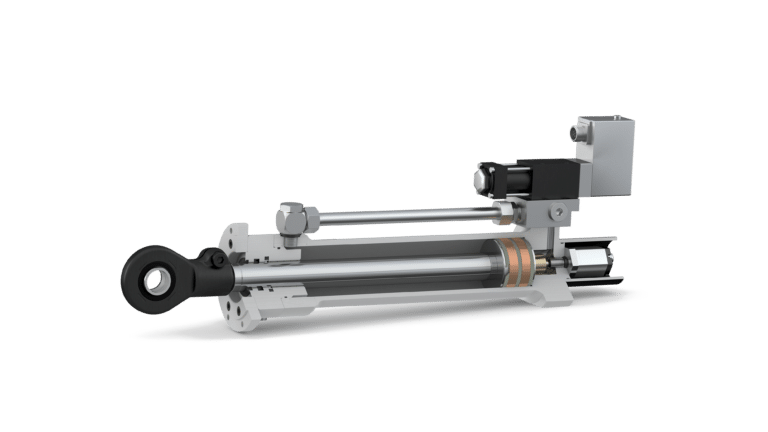
The Series 120 and 300 cylinders are designed as compact alternatives to classic test actuators for simple testing tasks. When equipped with a mounting plate and position transducer, they deliver precise performance for static and dynamic test applications.
Sealing Systems Servocop®, Servoseal®, or Servofloat® sealing systems are available on the cover, combined with Servoslide® guide systems or PTFE wear rings. On the piston, either a rectangular compact seal or Servoseal® is used for test applications requiring consistent sealing performance.
Cylinder Design These cylinders feature a lightweight, rigid design ideal for long strokes or for applications where the cylinder must move with the test structure, such as pivoting movements.
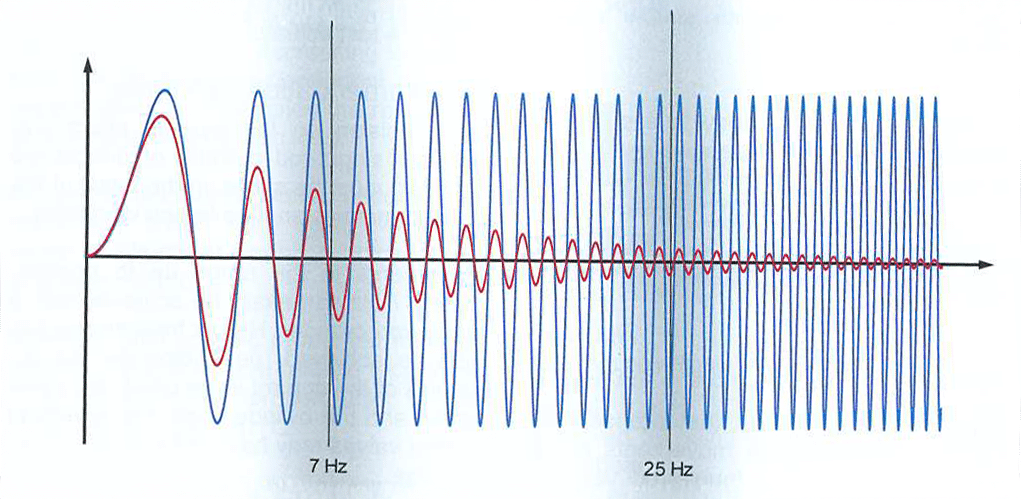
Single-rod: supports static or low-frequencies up to 7 Hz.
Double-rod: supports dynamic frequencies up to 25 Hz.
Mounting and Sensors Compact mounting plates allow the integration of lightweight control valves and position transducers, forming a complete and efficient test actuator assembly.
Typical Applications Series 120 and 300 cylinders are typically used in simple test setups requiring precise linear motion with moderate dynamic loads and minimal actuator mass.
Choosing a single or double-rod cylinder depends on the force ratios, dynamics, and lateral vibrations.
Up to 7 Hz: use single-rod (Series 120 or 300)
Up to 25 Hz: use double-rod (Series 120 or 300)
Over 25 Hz: use double-rod (Series 320)
Single-rod, Series 120, 300 (up to 7 Hz)
Single-rod cylinders are suitable for moderate dynamics with frequencies up to 7 Hz. Higher frequencies can also be achieved, depending on the dynamics of the control valve used, the travel speed, and the cylinder size. Asymmetrical control valves may have to be used for this purpose.
Double-rod, Series 120, 300 (up to 25 Hz)
Above a certain dynamic, it is advisable to work with equally large effective areas on the cylinder. For example, it is recommended to use double-rod cylinders for up to 25 Hz, as most control valves have symmetrical surfaces.
Besides the hydraulic limits, even the mechanical properties play an important role. At exceptionally high frequencies, very heavy and stiff cylinders are preferred to prevent the cylinder from swinging up due to transverse acceleration. For example, this can be achieved by using heavy, conical protection tubes.
Double-rod, Series 320 (above 25 Hz)
For applications exceeding 25 Hz, the Series 320 is recommended.
For short strokes or low-amplitude movements (for example, around ±1 mm) over an extended period, contact seals can cause friction and significant wear because the surfaces move too little to maintain lubrication.
In such cases, non-contact sealing or guiding systems are recommended such as Hänchen’s Servobear® (commonly referred to as hydrostatic), Servoseal®, Servofloat®, or Servobear®). This design avoids surface scoring and provide smoother motion.
Sealing system in cover
“simple” long-stroke Movement
short-stroke oscillation Amplitude x < 6mm
Basic sealing system
+
– –
Servocop®
+
–
Servoseal®
+
+
Servofloat®
+
+
Floating oil seal
+
+
Guiding system in the cover
“simple” long-stroke Movement
short-stroke oscillation Amplitude x < 6mm
Servoslide®
+
–
Metallic guide
+
– –
PTFE wear rings
+
+
Servobear®
+
+
Sealing system on the piston
“simple” long-stroke Movement
short-stroke oscillation Amplitude x < 6mm
Rectangular compact seal
+
–
Rectangular compact seal with elastomer
+
– –
Throttle gap
+
+
Servoseal®
+
+
Need More Help? Talk with a Specialist
Contact a Specialist
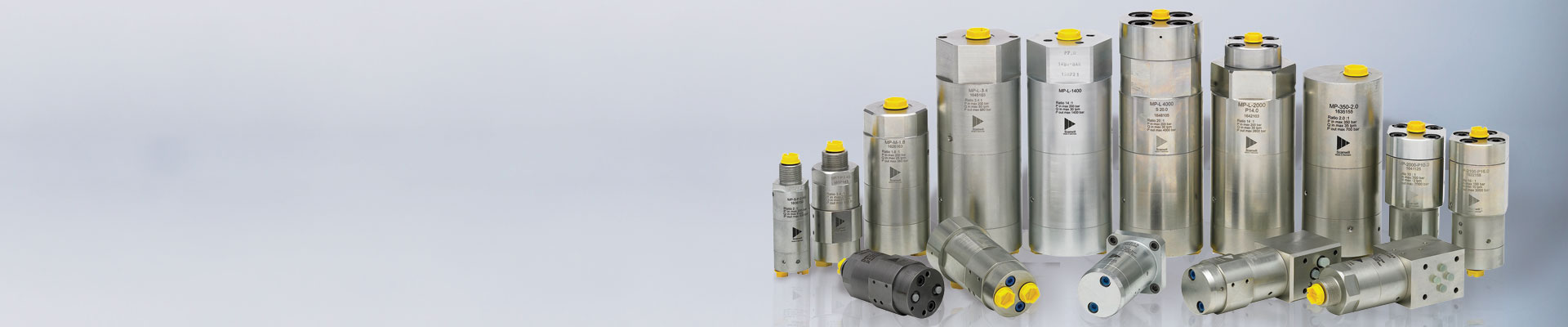
HYDRAULIC PRESSURE INTENSIFIERS – SINGLE-STROKE CYLINDER TYPE
Hydraulic Pressure Intensifiers – Single-Stroke Cylinder Type
The Hänchen intensifier is a custom, heavy-duty, pressure intensifier designed for non-standard applications. This model allows the input fluid to be the same as, or different than, the output fluid as a result of its non-reciprocating, axial type construction. Specifically, the primary cylinder can be run with mineral oil and the secondary chamber can be run with a different fluid such as water or water containing media. This type is commonly found in the hydroforming industry. Additionally, higher flow rates can be achieved in this type of pressure intensifier. These pressure intensifiers can be designed with output pressures of up to 5,000 bar/72,500 psi.
Hänchen is a supplier and pressure intensifier manufacturer for various applications including construction, mechanical, marine, and industrial.
The MP-S Series offers the most compact in-line pressure intensification solution to deliver increased pressure precisely where it’s needed when space is at a premium.
The Ratio-Clamp is a rod-locking device that is used both for precise locking and for securing against unintentional movements. It uses the principle of frictional contact to do so. When the releasing pressure drops, the force stored in the springs is discharged, causing the rod to clamp through friction. This means no power is needed to hold the position. To unclamp, hydraulically release pressure to release the clamping force.
The Ratio-Clamp has a max holding load of 101,164 lbf (450 kN) and covers rod diameters from 0.709 inches (18 mm) to 5.512 inches (140 mm).
The Ratio-Clamp is approved by the German Technical Inspection Agency (TÜV). For more information on Ratio-Clamp as a certified safety device, reach out to our engineers.
The Ratio-Clamp holds the exact position when releasing pressure drops, while the safety catcher, due to its self-energizing principle, experiences some movement before fully stopping. This makes the Ratio-Clamp the better choice in applications where exact positioning is important, such as testing and simulation. Additionally, the Ratio-Clamp can perform on horizontal axles as well as vertical in both directions, while the safety catcher can only be used on gravity-loaded vertical axes in one direction (down).
Hydraulic Cylinders — Rod-Locking Device
The Hänchen Ratio-Clamp® keeps the position for you. This device is a positive rod clamping safety device. The Ratio-Clamp is unlocked by hydraulic pressure. In the event of an electrical/hydraulic power loss, the potential energy of the internal Bellville washers load a conical piston, driving it over the friction fingers resulting in securing the load. “A true self contained safety clamp.”
Wherever power failures or malfunctions pose a risk to the safety of people or machinery, the rod locking device is there to save the day. It is also useful to accurately hold the cylinder rod in an exact position without the need to keep hydraulic pressure on the cylinder, thereby saving energy while maintaining accuracy. It clamps down and fixes the piston rod right where it is with no additional power needed.
Advantages of hydraulic rod locks
No axial rod movement during clamping and releasing
Protective clamping effect in case of a power failure
Load capacity that is independent of direction
Clamps completely surrounding rods
IoT 4.0 Compatible: Integrated sensors to know if the clamp is locked or unlocked
Boasting a retention force of up to 101,000 lbf., the clamp hydraulically holds the piston rod in whatever position it is in at that particular moment without having to generate extra power (no extra energy) for an unlimited period of time. The clamping device Ratio-Clamp is approved by the German Technical Inspection Agency (TÜV).
Special development of Custom solutions (larger rod diameters, intermediate size, greater clamping forces) pose no problem for the Hänchen specialists. Hänchen is particularly proud of its RC-H model. Following a request from the Health and Safety Centre of the Employers’ Liability Association (BGZ iron and metal section III, Düsseldorf), Hänchen developed the new safety clamping hydraulic Ratio-Clamp under extreme conditions for use with hydraulic presses and injection molding machines.
Comparison of Fixation Options for Round Rods
Electronic Control
Port Lock-Off
Pivot Pin Locking
Clamping Unit Ratio-Clamp®
Energy Efficient
–
+
+
+
Position Accuracy
+
–
+
+
Independence from external influences
+
–
+
+
Effort
–
+
–
+
Flexible positioning
+
+
–
+
Technical Data
Releasing Pressure
Locking
Sealing System
Certification
Ratio-Clamp
Basic design
Reduced design
Basic design
Basic design
Ratio-Clamp (Reduced Releasing Pressure)
With spring power
With spring power
With spring power
With spring power
Ratio-Clamp (Pressure Piston Seal)
Servocop®
Servocop®
Pressure Piston Seal
Servocop®
Ratio-Clamp (As a Safety Component)
TÜV
TÜV
TÜV
TÜV, DGUV Test
Rod Ø (in) | [mm]
Max. Holding Load (lbf) | [kN]
Releasing Pressure Min. (psi) | [bar]
0.630 [16]
2248 [10]
870 [60]
0.709 [18]
2810 [12.5]
797 [55]
0.787 [20]
3147 [14]
797 [55]
0.866 [22]
3821 [17]
1015 [70]
0.984 [25]
4496 [20]
1015 [70]
1.102 [28]
7082 [31.5]
1305 [90]
1.181 [30]
8992 [40]
1522 [105]
1.260 [32]
8992 [40]
870 [60]
1.417 [36]
10124 [45]
1087 [75]
1.575 [40]
11240 [50]
1160 [80]
1.772 [45]
14612 [65]
1015 [70]
1.969 [50]
17984 [80]
1305 [90]
2.205 [56]
20232 [90]
1087 [75]
2.362 [60]
22480 [100]
1087 [75]
2.480 [63]
22480 [100]
1232 [85]
2.756 [70]
31473 [140]
1160 [80]
3.150 [80]
40465 [180]
1305 [90]
3.543 [90]
44961 [200]
942 [65]
3.937 [100]
56201 [250]
1087 [75]
4.331 [110]
67442 [300]
942 [65]
4.724 [120]
74186 [330]
1015 [70]
4.921 [125]
78783 [350]
1087 [75]
5.512 [140]
101164 [450]
942 [65]
Rod Ø (in) | [mm]
Max. Holding Load (lbf) | [kN]
Releasing Pressure Min. (psi) | [bar]
0.630 [16]
1798 [8]
725 [50]
0.709 [18]
1798 [8]
507 [30]
0.787 [20]
2023 [9]
580 [40]
0.866 [22]
2697 [12]
652 [45]
0.984 [25]
3372 [15]
725 [50]
1.102 [28]
5620 [25]
942 [65]
1.181 [30]
6744 [30]
1087 [75]
1.260 [32]
6744 [30]
652 [45]
1.417 [36]
7193 [32]
725 [50]
1.575 [40]
8542 [38]
797 [55]
1.772 [45]
10116 [45]
725 [50]
1.969 [50]
12364 [55]
870 [60]
2.205 [56]
13488 [60]
725 [50]
2.362 [60]
15736 [70]
797 [55]
2.480 [63]
13488 [60]
797 [55]
2.756 [70]
22480 [100]
797 [55]
3.150 [80]
29225 [130]
942 [65]
Rod Ø (in) | [mm]
Max. Holding Load (lbf) | [kN]
Releasing Pressure Min. (psi) | [bar]
0.709 [18]
2810 [12.5]
1087 [75]
0.787 [20]
3147 [14]
1087 [75]
0.866 [22]
3821 [17]
1305 [90]
0.984 [25]
4496 [20]
1305 [90]
1.102 [28]
7081 [31.5]
1740 [120]
1.181 [30]
8992 [40]
1957 [135]
1.260 [32]
8992 [40]
1305 [90]
1.417 [36]
10116 [45]
1450 [100]
1.575 [40]
11240 [50]
1450 [100]
1.772 [45]
14612 [65]
1305 [90]
1.969 [50]
17984 [80]
1595 [110]
2.205 [56]
29232 [90]
1450 [100]
2.362 [60]
22480 [100]
1450 [100]
2.480 [63]
22480 [100]
1595 [110]
2.756 [70]
31473 [140]
1595 [110]
3.150 [80]
40465 [180]
1595 [110]
3.543 [90]
44961 [200]
1232 [85]
3.937 [100]
56202 [250]
1377 [95]
4.331 [110]
67442 [300]
1305 [90]
4.724 [120]
74186 [330]
1305 [90]
4.921 [125]
78783 [350]
1305 [90]
Rod Ø (in) | [mm]
Max. Holding Load (lbf) | [kN]
Permissible load per the DGUV Test (lbf) | [kN]
Releasing Pressure Min. (psi) | [bar]
0.709 [18]
2810 [12.5]
1405 [6.25]
797 [55]
0.787 [20]
3147 [14]
1573 [7]
797 [55]
0.866 [22]
3821 [17]
1910 [8.5]
1015 [70]
0.984 [25]
4496 [20]
2248 [10]
1015 [70]
1.102 [28]
7081 [31.5]
3539 [15.75]
1305 [90]
1.181 [30]
8992 [40]
4496 [20]
1522 [105]
1.260 [32]
8992 [40]
4496 [20]
870 [60]
1.417 [36]
10116 [45]
5058 [22.5]
1087 [75]
1.575 [40]
11240 [50]
5620 [25]
1160 [80]
1.772 [45]
14612 [65]
7306 [32.5]
1015 [70]
1.969 [50]
17984 [80]
8992 [40]
1305 [90]
2.205 [56]
29232 [90]
10116 [45]
1087 [75]
2.362 [60]
22480 [100]
11240 [50]
1087 [75]
2.480 [63]
22480 [100]
11240 [50]
1232 [85]
2.756 [70]
31473 [140]
15736 [70]
1160 [80]
3.150 [80]
40465 [180]
20232 [90]
1305 [90]
3.543 [90]
44961 [200]
22480 [100]
942 [65]
3.937 [100]
56202 [250]
28101 [125]
1087 [75]
4.331 [110]
67442 [300]
33721 [150]
942 [65]
4.724 [120]
74186 [330]
37093 [165]
1015 [70]
4.921 [125]
78783 [350]
39341 [175]
1087 [75]
5.512 [140]
101164 [450]
56202 [250]
942 [65]
Ratio-Clamp Applications
Testing technology in aviation: The setups for aviation tests have been refined to the last detail. Cylinders are used in different fields of testing, simulating ambient conditions and loads during different flight phases. The Ratio-Clamp® is used to protect the intricately constructed and expensive systems.
Production in molding and injection presses: Clamping units ensure safety during the pressing process in molding and injection presses for the production of synthetic and rubber molder parts in accordance with EN 289.
Maintenance in railway technology: During maintenance, trains must be fixed in a raised state. The Ratio-Clamp® is ideally suited for this purpose, as it holds the train securely in position until the work had been completed.
Production in grinding machines: During the production process of ICE rail sleepers, extremely large and heavy concrete workpieces must be positioned for grinding safely and with an accuracy of 0.01 mm. Hänchen’s hydraulic cylinders and Ratio- Clamp® clamping units are designed exactly for these requirements.
Production in profilling machines: Hänchen clamping units ensure precise machining and consistent quality in the production of metal profiles. During the production process, they facilitate the machining of the profiles by locking the forming tools in place. Ecological and efficient, purely with spring power.
IC-Fluid Power supplies Hänchen rod-locking devices for hydraulic cylinders and press applications across construction, mechanical, technological, and industrial uses.
For over 100 years, Hänchen has supported the test and simulation industry with actuators built for precision and durability. Our servo cylinders cover one of the widest ranges on the market.
Carbon Hybrid Hydraulic Cylinder FAQs Hydraulic Cylinders — Carbon Hybrid MARK carbon hybrid cylinders are the best of both worlds.… Read More »Carbon Hybrid Hydraulic Cylinder
Everyone who has heard of Hänchen is aware that its worldwide reputation is based on hydraulic cylinder solutions that are anything but standardized. The standardization actually deals with nothing more than basic dimensions and connections, mounting, parts, etc. Indeed for the common solution, a standard cylinder will often do the job without any problems. In many demanding applications it is possible to use a standard Hänchen cylinder due to the high quality levels they attain. In principle, they make exclusive use of honed cylinder tubes for all their cylinders. Hänchen also guarantees that all the cylinders in its product range, as well as normalized cylinders, comply with the most exacting of geometrical accuracies. Hans Holland Hydraulik offers a standard range with particularly cost-effective solutions. Whether you require newly-manufactured components or the additional machining of existing items, you can be sure their production facilities will meet your individual needs. Hans Holland Hydraulik also offers you preservation and color treatments. Also short delivery times, even of large batches of items, are no problem. Their standard cylinders often require only simple modifications to fulfill a wide range of applications, without the greater expense of full customization.
Hänchen is a supplier and hydraulic cylinder manufacturer for various applications including construction, mechanical, technological, and industrial.
For over 100 years, Hänchen has supported the test and simulation industry with actuators built for precision and durability. Our servo cylinders cover one of the widest ranges on the market.
Carbon Hybrid Hydraulic Cylinder FAQs Hydraulic Cylinders — Carbon Hybrid MARK carbon hybrid cylinders are the best of both worlds.… Read More »Carbon Hybrid Hydraulic Cylinder
Specialty cylinders are offered by Hänchen. Hänchen has renown for top quality hydraulic cylinders for many years with one of the largest testing range in the market, offering lightweight servo actuators for static applications or high frequency cylinders for dynamic testing:
Advantages at a Glance:
Single or double-rod cylinders
Up to 320 bar/4,600 psi
Modular system for efficient change of applications
Integrated position transduced, per your specifications
Optional mounting plate for control valve
Optimal price-performance ratio
Servo valve, sensor, and control software agnostic – we work with all brands
Easy serviceability and spare parts available
Which series is right for my application?
Servo cylinders of the Series 120 and 300 are light-duty test actuators for simple testing tasks. For more challenging tasks, the Series 320 is a hydrostatic design offering excellent precision and high performance, allowing for high lateral forces and speeds.
General Specifications:
Bore, mm (in): 25-200 (0.98-7.87)
Force, kN (lbf): up to 1,568 (up to 352,500)
Stroke, mm (in): 1-1,500 (0.04-59.06)
Frequency (Hz): up to 100+, limited by servo valve
The 320 Series: Constructed for highly dynamic tests
Perfect for industrial applications, structure tests, and load simulations: the Series 320 test cylinder is the best choice for challenging tasks. It performs well, for example, in checking the functional safety of systems, component parts, or products; for structural testing of airplanes, refrigeration compressors, automobile exhaust system; or for simulating loads and movement, such as operational profiles and flight profiles.
The Series 320 is built from a solid block of steel. This means that any part of the cylinder can be customized to your requirements unlike standard models with limited sizing options. Rigid construction of the cylinder means means no leakage, a long service life, and good data.
4 Stand Out Features of the 320 Series:
Bores adjustable to the millimeter: The working areas can be designed individually for the respective requirements, saving acquisition and operating costs for the required periphery, and increasing energy efficiency.
Protection against unforeseen movement: Emergency cushion adds protection for the cylinder and test specimen. This is included in the stroke as standard. The effective stroke is between the two emergency cushioning.
Operation without a leak oil pump: Thanks to elaborate sealing and guiding system, cylinders don’t need leak oil pumps. The cylinders are equipped with high-quality bronze coatings for optimum emergency running properties.
Modular system efficient change of applications: Mounting parts and accessories fit cylinders with different forces and do not have to be purchased several times for one test field.
Technical Data
Rod Ø [mm]
Type
Bore [mm]
Force lbf | [kN] at 3045 psi (210 bar)
Force lbf | [kN] at 4640 psi (320 bar)
Stroke [mm]
[25]
Strong
28 – 45
583 – 5195 [2.6 – 23.1]
899 – 5195 [4.0 – 23.1]
50 – 170
[30]
Strong
34 – 55
943 – 7868 [4.2 – 35.0]
1439 – 11997 [6.4 – 53.4]
50 – 220
[40]
Strong
45 – 70
1574 – 12222 [7.0 – 54.4]
2408 – 18635 [10.7 – 82.9]
50 – 270
[50]
Strong
56 – 80
2361 – 14452 [10.5 – 64.3]
3597 – 22031 [16.0 – 98.0]
50 – 450
[63]
Strong
70 – 110
3464 – 30140 [15.4 – 134.1]
5262 – 45923 [23.4 – 204.4]
50 – 450
Rod Ø [mm]
Type
Bore [mm]
Force lbf | [kN] at 3045 psi (210 bar)
Force lbf | [kN] at 4640 psi (320 bar)
Stroke [mm]
[80]
Strong
90 – 150
6294 – 59807 [28.0 – 266]
9604 – 91046 [42.7 – 405]
50 – 450
[80]
Slim
90 – 120
6294 – 29675 [28.0 – 132]
9604 – 45324 [42.7 – 201]
50 – 450
[100]
Strong
110 – 175
7776 – 76434 [34.6 – 340]
11871 – 116002 [52.8 – 518]
50 – 450
[100]
Slim
110 – 150
7776 – 46308 [34.6 – 206]
11871 – 74840 [52.8 – 314]
50 – 450
[125]
Strong
120 – 200
14751 – 90411 [65.6 – 402]
22481 – 137825 [100 – 613]
50 – 450
[125]
Slim
120 – 175
14751 – 55570 [65.6 – 247]
22481 – 84686 [100 – 377]
50 – 450
[160]
Strong
200 – 260
53535 – 155684 [238 – 693]
81407 – 237236 [362 – 1056]
50 – 450
[160]
Slim
180 – 220
25178 – 84496 [112 – 376]
38435 – 128851 [171 – 573]
50 – 450
[200]
Strong
250 – 320
83446 – 231361 [371 – 1029]
81407 – 237828 [362 – 1058]
50 – 350
[200]
Slim
240 – 280
65194 – 142303 [290 – 633]
99419 – 216810 [442 – 965]
50 – 450
Bore [mm]
Rod Ø [mm]
Series 120
2175 psi* (150 bar)
Force F1 | F2 lbf | [kN]
Series 160 ISO 6020-1 2320 psi (160 bar)
Force F1 | F2 lbf | [kN]
Series 300
4350 psi (300 bar)
Force F1 | F2 lbf | [kN]
40
25
4226 | 2585 [18.8 | 11.5]
–
–
50
25
6634 | 4967 [29.5 | 22.1]
–
–
50
28
–
7060 | 4855 [31.4 | 21.6]
–
50
30
6634 | 4226 [29.5 | 18.8]
–
13247 | 8478 [58.9 | 37.7]
50
40
–
–
13247 | 4766 [58.9 | 21.2]
60
30
9533 | 7148 [42.4 | 31.8]
–
–
60
40
9533 | 5305 [42.4 | 23.6]
–
19067 | 10580 [84.8 | 47.1]
60
50
–
–
19067 | 5828 [84.8 | 25.9]
63
36
–
11217 | 7556 [49.9 | 33.6]
–
80
40
16951 | 12710 [75.4 | 56.5]
–
–
80
45
–
18085 | 12364 [80.4 | 55.0]
–
80
50
16951 | 10322 [75.4 | 45.9]
–
33905 | 20670 [150.8 | 91.9]
80
60
–
–
33905 | 14839 [150.8 | 66.0]
100
50
26486 | 19866 [117.8 | 88.4]
–
–
100
56
–
28263 | 19402 [125.7 | 86.3]
–
100
60
26486 | 16951 [117.8 | 75.4]
–
52933 | 33905 [235.6 | 150.8]
100
80
–
–
52933 | 19067 [235.6 | 84.8]
125
60
41364 | 31862 [184.1 | 141.7]
–
–
125
70
–
44144 | 30332 [196.3 | 134.8]
–
125
80
41346 | 19866 [184.1 | 88.4]
–
82785 | 48891 [368.2 | 217.4]
125
100
–
–
82785 | 29787 [368.2 | 132.5]
140
80
51889 | 34951 [230.9 | 155.5]
–
–
140
100
51889 | 25422 [230.9 | 113.1]
–
103777 | 50849 [461.8 | 226.2]
160
80
67803 | 50849 [301.6 | 226.2]
–
–
160
100
67803 | 41338 [301.6 | 183.8]
–
–
180
100
85825 | 59313 [381.7 | 263.9]
–
–
180
120
85825 | 47698 [381.7 | 212.1]
–
–
* When pivot mounted, the pressure is limited to 1740 psi (120 bar).
F1 Compressive force while the cylinder is extended
F2 Compressive force while the cylinder is retracted. With double-rod cylinders, retraction and extension corresponds to the value of F2.
Choosing a Testing Cylinder
Dynamic Movement
First, determine if the cylinder will be used in highly dynamic applications, such as torque/torsion testing of axial loads and other drive line components. If so, seal protection is important to have, along with a servo valve that can be mounted to the actuator to offer more control to the device. It is important to know the application including the speed, pressure, loads, and any forces acting on the cylinder.
Frequency
What frequency will your cylinder require? Industrial applications and dynamic testing typically have higher frequency ranges, with some frequencies greater than 100 Hz.
Seals
It’s important to pay attention to the conditions your cylinder will be in. Conducting tests in conditions like salt spray fog, in climate chambers, or in a lab require individualized protection. Seal factors to pay attention to include temperature ranges, types of movement (simple, sensitive, controlled), outdoor stress, stick resistance, and type of medium, etc.
Load Holding
If loads need to be held in position for extended times, a rod lock can be included which allows a load to be held in a precise position and without power/pressure being applied.
For over 100 years, Hänchen has supported the test and simulation industry with actuators built for precision and durability. Our servo cylinders cover one of the widest ranges on the market.
Carbon Hybrid Hydraulic Cylinder FAQs Hydraulic Cylinders — Carbon Hybrid MARK carbon hybrid cylinders are the best of both worlds.… Read More »Carbon Hybrid Hydraulic Cylinder
Any hydraulic cylinder design is possible with our extensive network of cylinder manufacturers. Every part of the cylinder can be customized including the material, type, medium, size, sealing, rod coating, mounting, ports, sensors, paint, cushioning, and load-holding options.
Configure your unique cylinder with Hänchen’s online configurator, Häko. Then, provide us with the configuration ID for a super quick quote!
Generations of European Craftsmanship and Manufacturing
Anyone can sell you a part. As a distributor, we offer more than just cylinders.
Our roots run deep in hydraulic manufacturing. Our President, Ben Hunger, comes from the family business behind some of the world’s largest hydraulic cylinders. The founder of IC-Fluid Power, Armin Hunger, established the company to bring German precision and quality to the U.S. market. He built strong, lasting partnerships with European manufacturers, many of whom we still work with today. Through these connections, we provide access to European partners with over 100 years of expertise in premium cylinder manufacturing.
The right material determines the cylinder’s strength and lifespan. Choose from standard steels for general use, stainless steels for corrosion resistance, or lightweight alternatives like aluminum and carbon hybrids for mobile or specialized applications.
This is just a sampling of the common materials we use, but any specialty material is possible.
Material
Types
Common Examples
Standard Steels
Alloy steel Carbon steel
AISI 1026, AISI 1045 SAE 1045
Stainless Steels
Austenitic steel Martensitic steel Duplex steel
AISI 304, AISI 306 AISI 420 ASTM A182 F51
Specialty Steels
High strength, low-alloy steels; Nickel-chromium alloys; Fine-grade, proprietary grade steel
ASTM 4140, ASTM 1045, ASTM 4135
Non-ferrous
Aluminum, Carbon fiber hybrid*
–
*The main body is made of carbon fiber with the remaining components made from steel, such as the listed steels above.
Choose a single-rod style for standard linear motion, a double-rod style for equal force in both directions, or a telescopic version when space is limited but stroke length is long. Tie-rod and welded cylinders differ in how they’re built. (Tie rods use long threaded rods to essentially sandwich the cylinders body together, while on welded cylinders the body components are welded together.)
Cylinder Type
Best Used For…
Application Example
Single rod
Standard linear motion, force in one direction
General equipment
Double rod
Balanced force in both directions
Test rigs, medium to highly dynamic applications
Telescopic
Long strokes
Dump trucks, mobile lifting
Tie rod
Modular builds, low cost
Factory automation, light to medium duty applications
Welded
High pressure, durability, rigidity
Industrial, heavy-duty applications; and mobile
Single or Double-Acting Cylinders
Hydraulic cylinders are available as single or double-acting:
Single-acting cylinders use hydraulic fluid for movement in one direction that returns by gravity via dead weight or a spring.
Useful when automation return is needed for safety if pressure is lost
Standard applications
Double-acting cylinders use hydraulic fluid in both directions.
Useful when you need both forces to be equal
High speeds and high frequency applications
Useful for when a load needs to be attached to both cylinder ends (rare)
We offer a wide range of media for applications, selected based on the required viscosity, thermal stability, oxidation resistance, lubricity, and water tolerance.
This is just a sampling of the common medium we use, but any medium can be requested.
Mediums
Medium Description
Common Types or Examples
Pneumatic
Compressible gases common in fast, lightweight actuation applications
Air, nitrogen, carbon dioxide
Mineral oils
Standard fluids with additives for anti-wear, oxidation, shock resistance, etc.
Our hydraulic cylinders cover a full spectrum of sizes, from compact actuators to massive industrial units. With bore sizes ranging from 0.5 inches to 144 inches, there are virtually no size limitations we can’t handle.
Tell us about your application, and we will help you find the perfect seal. With over 60 sealing configuration types, IC-Fluid Power can provide any solution for your application. We make patented and standard seals for low friction, side loading, high pressures, rotation, fast/slow movement, stroke amplitude, and medium compatibility.
IC-Fluid Power’s Extensive Sealing Portfolio and Capabilities
Unique catalog of 9 patented sealing and guiding mechanisms, plus 50+ standard and specialty solutions
European-made industrial sealing capabilities
Sealing solutions adaptable to your operation conditions (pressure, temperature, fluid type, dynamic requirements)
Wide material selection including polyurethane, NBR, HNBR, Viton, bronze-filled PTFE, virgin PTFE, polyacetal, and more
Special coatings and advanced composite design for harsh environments
Popular Choices for Patented Sealing Solutions
1. Servofloat® seal for low friction and high side loads
For testing and simulation, we offer over 12 different combinations for achieving low stiction and stick slip. One popular option for dynamic tests that require near frictionless movement is the patented Servofloat® seal. This works using a floating-gap principle to eliminate stick-slip. It enables extremely smooth oscillations at frequencies up to several hundred hertz, a key benefit for servo-drive applications.
2. GD1000K® for reliable sealing and guidance for heavy-duty conditions
The GD1000K® is a piston seal made for heavy-duty industrial and construction applications. It guides the piston and keeps it sealed using a bronze-filled PTFE slide ring and NBR energizing element. It maintains proper sealing even at zero pressure and prevents metal-to-metal contact under heavy side loads. The combined bearing and sealing give double-acting cylinders improved structural rigidity.
Standard Sealing Options
Not every application needs a specialty seal. Standard sealing options offer high performance for most cylinders. A common setup uses a lip seal together with a wiper ring to keep contaminants out and maintain sealing integrity. Static seals stop leakage at fixed interfaces, while dynamic seals control fluid between moving parts such as the piston and rod.
Dynamic Seals
Element / Seal Location
Common Types / Examples
Piston seals
U-cup seals, T-seals, rectangular seals with elastomer, PTFE-backed seals, throttle gap seals, V-packings
Rod coatings protect piston rods from things like wear, corrosion, micro-scoring, and more to extend the service life of the cylinder. We offer standard surface treatments, such as classic nitriding and hard chrome plating. For large piston rods exposed to abrasive conditions, we also offer specialized coatings well suited for hydromechanical, chemical, offshore, and subsea environments.
Corrosion Protection
Coating Type
Coating Technology
Best used for…
Standard
Nitriding
Hardens the surface by diffusing nitrogen into the steel to improve wear and corrosion resistance
General machine and industrial applications
Standard
Hard chrome plating
Basic coating carried out by electroplating in single or multiple layers
General machine and industrial applications
Specialty
Ceramic coating
Thermal sprayed, metal-oxide finish using a nickel-chromium base with a ceramic top layer for hardness
Machine and hydromechanical engineering, casting, printing, chemical; for large rods up to 59 in (1500 mm) Øand 20 m long
Specialty
Plasma Transfer Arc (PTA) coating or laser cladding
Welded stainless steel layers coating for offshore corrosive saltwater environment; protects carbon steel under submerged or splash zone conditions
Offshore, marine, and subsea applications; up to 23 in (600 mm) Ø and 25 m long
We support a full range of cylinder mounting types from standard flange fittings to trunnion and pivot designs.
Cylinder Body Mounting
Each configuration below is described by movement range, alignment, and load type. Our cylinder manufacturers can adapt these mountings for special dimensions or retrofit use.
Cylinder Body
Cylinder Body Image
Degrees of Freedom
Typical Force Direction
Basic mounting
Fixed
Center load
Threaded holes (cap side)
Fixed
Center load
Side lugs (welded/bolted)
Fixed
Off-center load
Circular flange (head/cap)
Fixed
Center
Circular flange (cylinder body)
Fixed
Axial load
Intermediate flange
Fixed
Axial load
Pivot mount with spherical bearing
2º of freedom
Pivoting loads
Pivot mount with plain eye
1º of freedom
Pivoting loads
Intermediate trunnion
1º of freedom
Pivoting loads
Piston Rod End Mounting
Piston rod ends differ in their fixation and mounting types.
Fixation Types
Each fixation type refers to the way the piston rod is mechanically connected or threaded for attachment to external components. The chosen fixation determines how forces are transmitted and how the rod end can be mounted.
Piston Rod Mounting Type
Mounting Image
Hook wrench
Wrench flat (surface)
Hexagon
Without specified mounting
Available Mounting Types
Each mounting type defines how the piston rod end is held during installation and maintenance for a secure connection.
Fixation Type
Fixation Image
Available Mounting Types
External (male) thread
Hook wrench, wrench flat, hexagon, without specified mounting type
External (female) thread
Hook wrench, without specified mounting type
Flange rod end
Hook wrench, without specified mounting type
Smooth (plain) end
Hook wrench, wrench flat, hexagon, without specified mounting type
Hole circle
Hook wrench, wrench flat, hexagon, without specified mounting type
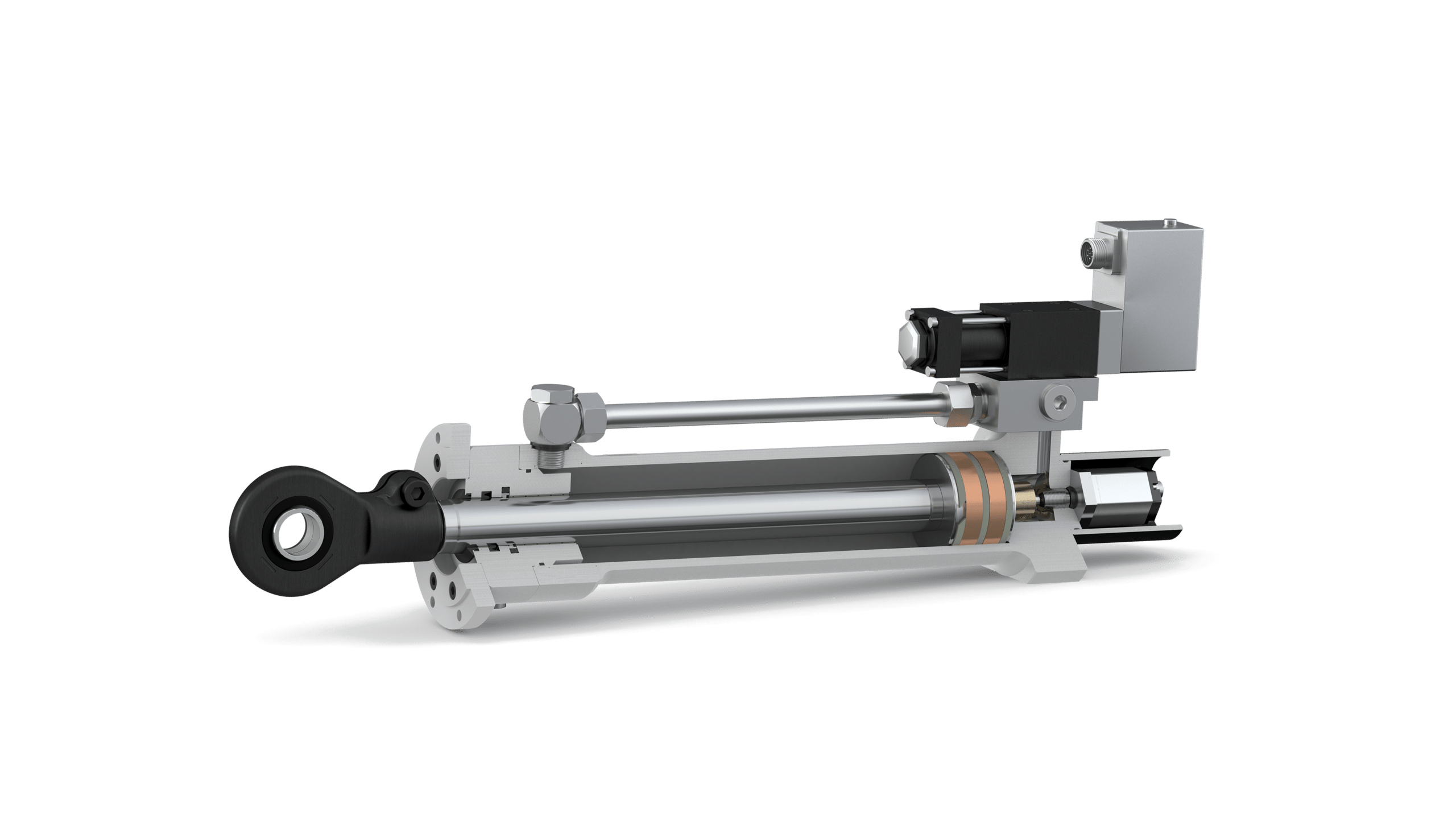
We offer a complete range of hydraulic port configurations and accessories. Our engineering team designs custom valve plates and adapter interfaces to match specific control valve standards, pressure ratings, and flow requirements.
Port Configurations for Screw Fittings
Head Side
Cap Side
Ports
SAE. NPT, metric, BSP
SAE. NPT, metric, BSP
Types
Straight, tapered, ORFS, ORB, metal seal, flange
Straight, tapered, ORFS, ORB, metal seal, flange
Positions
Radial, piped, mounting plate. custom
Axial or radial, piped, flanged, mounting plate, custom
Screw Fitting Accessories
An adapter, air filter, or test point can be installed on either side of the cylinder (left or right port). Test points include industry-standard M16x2 test points, which can be used for air bleeding, pressure testing, and other diagnostics.
Thread types available for air filters:
G 1/8 (M10x1)
G 1/4 (M12x1.5)
G 3/8 (M18x1.5)
G 1/2 (M22x1.5)
G 3/4 (M27x2)
G 1 (M33x2)
Mounting Plates for Valves or Threaded Fittings
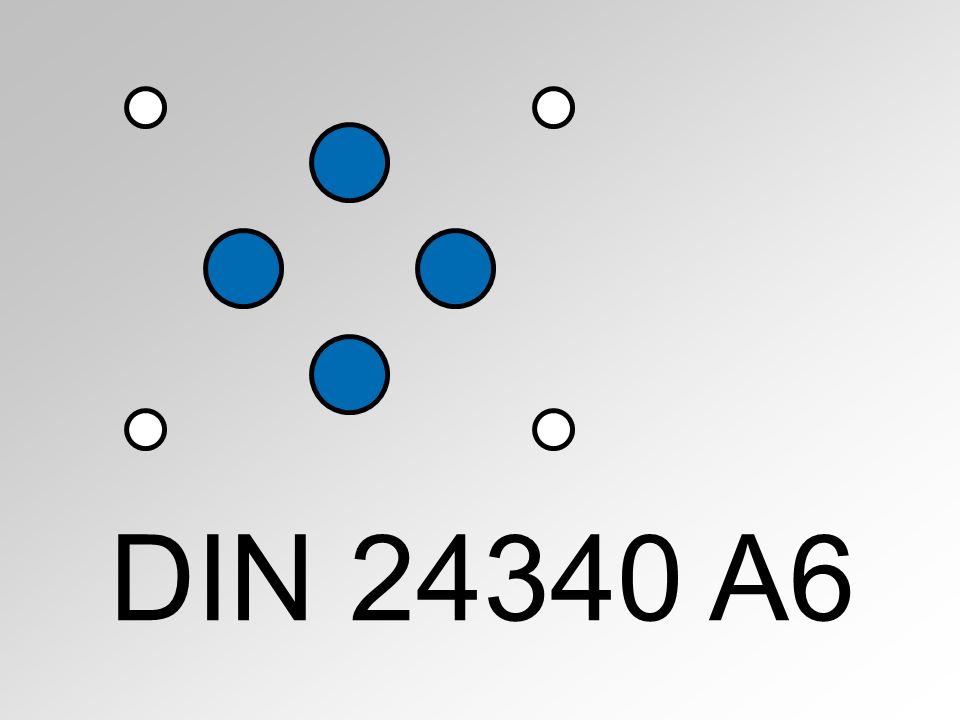
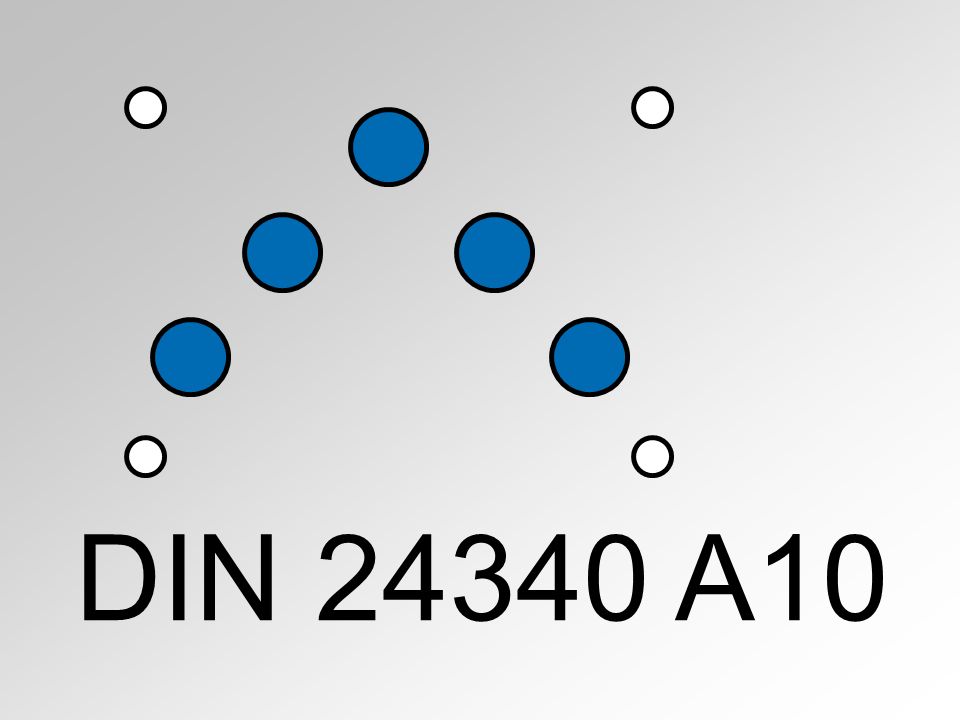
We can build a mounting plate for direct installation of servo valves or directional control valves onto the cylinder head, minimizing pressure losses, and improving hydraulic response. The correct mounting surface is selected based on flow capacity, valve type, and application-specific requirements. Hydraulic oil connections are the same as the ports previously described.
The chart below features commonly used port types, but any can be made.
Mounting Surface
ISO
DIN
Maximum Flow Rate
Servo Valve Example
–
ISO 10372-01
–
5 gpm (18 lpm)
Domin S4 Pro, Moog 30, Moog 260, HR Textron 27A
ISO 4401-03
DIN 24340-A6
10 gpm (40 lpm)
NG 6, Domin S6 Pro
ISO 4401-05
DIN 24340-A10
26 gpm (100 lpm)
NG 10, Domin S10 Pro
ISO 4401-05 with T2
DIN 24340-A10 with T2
42 gpm (160 lpm)
NG 10, Domin S10 Pro
ISO 10372-04
–
15 gpm (60 lpm)
Moog 76
ISO 10372-06
–
66 gpm (250 lpm)
Moog 72, Moog 791
How IC-Fluid Power’s Ports and Valve Plates Lead the Industry
IC-Fluid Power’s hydraulic ports and accessories comply with ISO and DIN standards commonly used for servo valves and pressure control systems.
Valve plate manufacturing follows proprietary standards from popular brands such as Domin, Moog, Bosch Rexroth, Atos, Parker, MTS, and HR Textron.
For automotive and aerospace applications needing lightweight solutions, we can custom machine in high-strength steel or anodized aluminum.
Our expertise in valve technology can be seen through our partnership with Domin Servo Valves, the most efficient and high-performing valves in today’s market. Learn more about Domin Servo Valves.
Sensors can be added for automation to measure and monitor critical changes in the system. These sensor integrations connect smoothly with automation platforms using Industry 4.0 standards. This allows for real-time data monitoring, predictive maintenance, and closed-loop control, which all contribute to better system reliability and performance.
Popular sensor options for traditional and Industry 4.0 compatible systems can be found in the list below:
Proximity switches measure precise end-of-stroke position to detect stroke limits and confirm end position
Position/stroke sensors measure piston rod position to provide feedback and enable closed-loop control
Temperature sensors measure fluid, cylinder, or surface temperatures for monitoring and to prevent overheating
Pressure sensors measure hydraulic pressure in chamber or line to prevent overloads
Force transducers measure axial force to monitor the applied load and verify test parameters
As a primary distributor for many international cylinder manufacturers, IC-Fluid Power is capable of several different painting options from single acrylic coatings for standard cylinders to advanced multi-layer epoxies and urethanes made for offshore and military coatings.
Standard Options
Cylinders can be left unpainted with or without temporary transportation and storage corrosion protection (VCI, wax, silane, phosphate, grease)
Primer only (acrylic, epoxy, or other as specified)
Base coatings use 1k synthetic epoxy or acrylic paints for general environmental resistance
Specialty Options
Specialized coatings include robust 2K epoxy systems.* These offer high adhesion and chemical resistance suited for offshore, mining, and industrial conditions. This durable coating is used to withstand intensive mechanical and chemical stress while offering exceptional coverage and scratch resistance.
Military-grade coatings meet specific defense or government requirements and are provided upon request.
Offshore coatings use multi-layer epoxy or polyurethane systems to withstand saltwater exposure and harsh marine exposure.
*For customized cylinders made from Germany, our Hänchen cylinders are finished with a 2K polyurethane structural paint (silicone-free) in RAL 9006, white aluminum semi-gloss.
Cushioning is added to gradually slow the piston as it nears the end of its stroke, protecting the cylinder and connected equipment from impact damage and excessive shock loads.
Our hydraulic cylinders can be equipped with standard or advanced cushioning systems with customized orifices.
IC-Fluid Power’s Advanced End-Cushioning Options
Cushioning can be either added in the cap/head and the bottom. The following characteristics that can be customized:
Cushion spear length
Needle valve size and adjustment per flow rate
Cavity shape and size
Cushion design (tapered or orifice)
Cushioning profile (single stage or multi-stage with multiple adjustable needle valves, orifices, or other custom-led designs to meet application requirements)
Cushion material
Reverse stroke
Check valve (bypass valve)
We offer rod-locks (Ratio Clamp®) as an optional feature for standard and custom hydraulic cylinders providing added security and functionality.
The Ratio Clamp® is a patented hydraulic clamping device that instantly locks piston rods or round rods, holding loads up to 2,000 kN. This device incorporates a spring force that clamps the rod securely in place without continuous energy, releasing only when hydraulic pressure is applied. Since these rod locks are mechanically locking and hydraulically unlocking, they also can be used as a safety device. This is an easy way to hold a cylinder in position indefinitely while not requiring any input from your HPU (saves money too!).